


9 Things You Didn’t Know About Self-Driving Cars
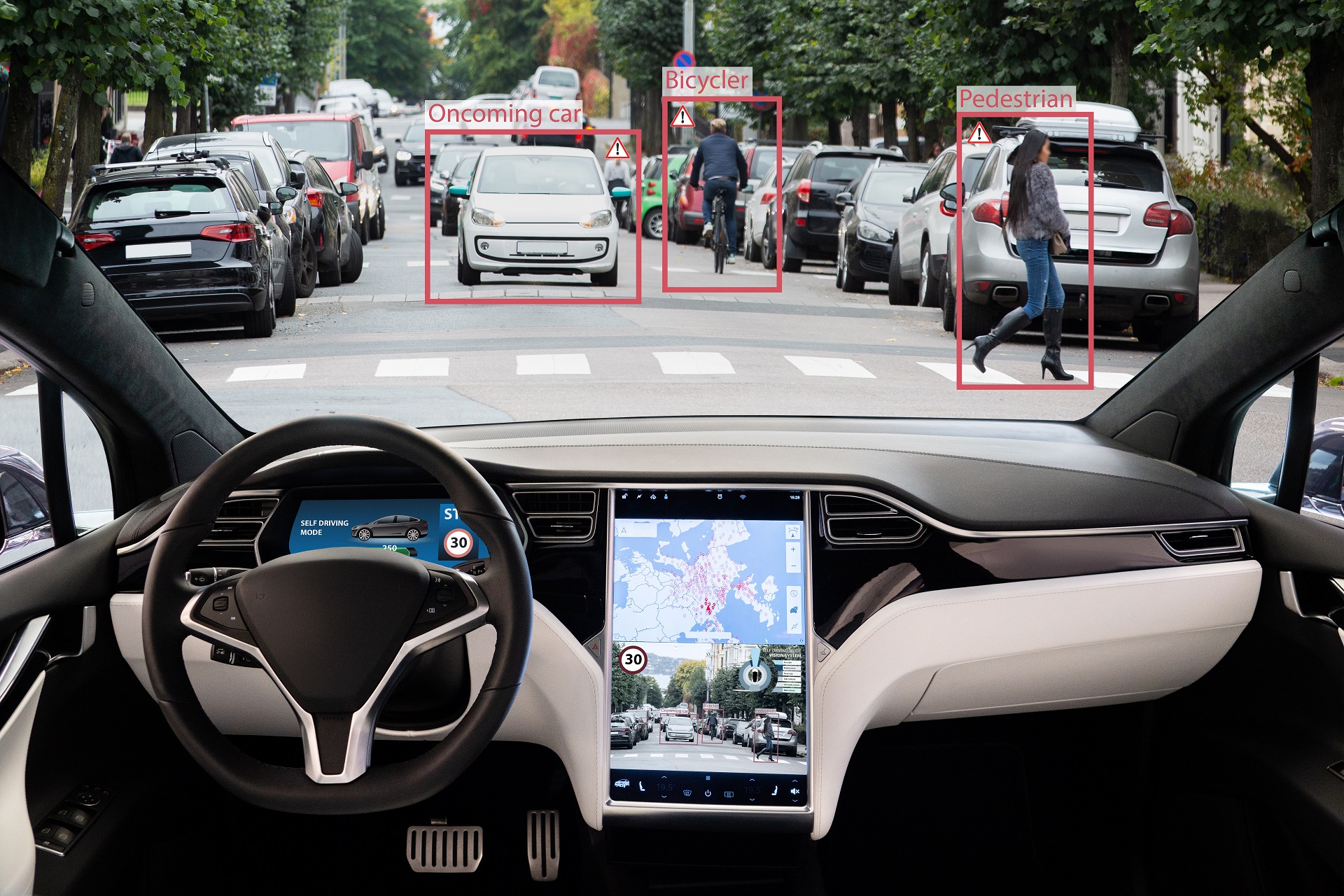
The concept of autonomous vehicles has been around for centuries but only became common in the 2000s. In recent years, self-driving cars have become more prevalent and are expected to be part of our daily lives moving forward. It’s an exciting advancement that has many potential benefits but there is still much to learn about this technology.
Here we present 9 things you may not know about self-driving cars:
Key Takeaway
There is still much that needs to be learned about the technology, here are the things you’re going to learn in this post:
- When the first driverless vehicle was made – in 1925
- How self-driving cars are uniting manufacturers
- How well autonomous cars are performing on the roads
- The future of self driving cars and their impact on your life
- What non-auto manufactures are contributing to this course
- Other autonomous technology beyond cars
1. The First Driverless Vehicle Was Made in 1925:
While the concept of self-driving cars has been around for centuries, the first working driverless vehicle was created in 1925. This car was built by Houdini Radio Control and could be driven by remote control from a vehicle following behind. He drove this car in the streets of New York City, with no one behind the wheel! This was a major feat that stirred up the desire for autonomous cars.
2. Self-Driving Cars are Making Auto Manufactures Work Together:
The push for autonomous vehicles has caused auto manufacturers to cooperate in ways that they never have before. Most car manufacturers have left their autonomous driving systems open source, allowing other companies to use the information to build their own systems. This has created a more collaborative environment for making autonomous vehicles and advancing technology. Because of this, the development of autonomous vehicles can move much faster, as each company is contributing its knowledge to the overall goal.
3. Autonomous Cars Are Safe and Becoming Safer:
The first thing that comes to mind when thinking about self-driving cars is safety. There have been a number of studies on the subject, and all of them come to the same conclusion: autonomous vehicles are safer than human operators. The systems can detect objects in their surroundings more quickly and accurately than humans can, leading to fewer crashes overall. Plus, as technology improves, these vehicles will become even safer. For example, the newest self-driving cars use LIDAR technology to detect other vehicles, pedestrians, and objects on the road more quickly and accurately than ever before.
4. Cars are Not the Only Autonomous Vehicles
When you think of self-driving cars, you probably think of just that – cars. But in reality, many other types of vehicles can be autonomous as well. For example, semi-trucks and delivery robots use the same technology to get around safely. Additionally, planes and helicopters have been researching autonomous flight for years, and many commercial aircraft already contain autopilot features. Water vessels like boats and submarines are also capable of autonomous navigation. As technology continues to evolve, more types of vehicles will be able to operate autonomously.
5. Autonomous Cars Could Reduce Traffic Congestion
One of the biggest benefits that come with self-driving cars is the potential to reduce traffic congestion. With autonomous vehicles, each car can decide which route to take based on real-time data, allowing them to travel more smoothly and efficiently than human drivers. Autonomous vehicles can also communicate with each other to optimize traffic flow, which could greatly reduce the number of traffic jams on the roads.
6. Autonomous Cars Could Be The Solution to Climate Change
Autonomous cars could be a key part of the solution to climate change. By using electric engines and advanced vehicle-to-vehicle communication, autonomous vehicles can reduce their energy consumption, resulting in less pollution and fewer greenhouse gas emissions. The technology also has the potential to create more efficient transportation systems that can move people and goods quickly and efficiently, reducing the amount of time spent sitting in traffic.
7. Tech Companies Are Also Helping to Develop Self-Driving Cars
Tech companies like Google, Apple and Tesla are playing a big part in the development of self-driving cars. These companies have invested considerable resources into researching and developing autonomous vehicle technology, and they are at the forefront of bringing these vehicles to market. In addition, tech giants such as Microsoft have partnered with automakers to provide the software and hardware needed to make autonomous vehicles a reality.
8. Self-Driving Cars Could Significantly Improve Your Life
Self-driving cars could change the way you live by reducing commuting times and making it easier to get around. Autonomous vehicles are also expected to be much safer than human drivers, resulting in fewer traffic accidents and fatalities on roadways. Additionally, self-driving cars will help reduce air pollution since they run on alternative energy sources such as battery power or solar energy.
9. Honda is The Latest to Bring Hands-Free Highway Driving Technology to Market
Honda recently debuted its self-driving car, the Honda Sensing 360, which features hands-free highway driving technology. The car is designed to drive autonomously in designated highways and roads, with the driver only having to take control in certain circumstances. Honda Sensing 360’s system consists of multiple sensors located throughout the car, including a radar and camera system that can detect objects ahead and behind the vehicle.
Buy the Perfect Car For Your Needs at Lake Elsinore Honda
If you’re in the market for a new or used vehicle, Lake Elsinore Honda has you covered. Our friendly staff will work with you to find the perfect car to meet your needs and budget. We have a wide selection of vehicles from top-name brands such as Honda, Toyota, Chevrolet, Ford, and more. Visit us today to learn more about our inventory or to take a test drive.

The many road accidents we witness on American roads are sufficient reminders of the importance of safety. Fortunately, most car manufacturers have taken note and are offering a range of standard safety features for all types of vehicles.
Here’s a list of 12 must-haves that your car should come with:
1. Airbag Systems
Perhaps one of the oldest safety features, airbags are now available in all new cars. They’re designed to protect you and your passengers from the impact of a sudden collision. This feature has a system that computes the severity of the impact, the size and position of the passenger, and then trigger the airbags accordingly.
2. Anti-lock Braking System (ABS)
This one’s been around for a while, but is still an essential feature to look for in your new car. The ABS prevents wheel lockup during sudden braking, allowing you to control your vehicle and avoid skidding or sliding off the road. You know it’s working when you can hear an intermittent sound or feel a vibration in the brake pedal.
3. Lane Departure Warning System
This system uses a camera to monitor lane markings and detect when you are veering out of your lane. The technology will provide a visual or audible alert if needed, helping you stay on the right path. It can come in handy when driving long distances or if you’re feeling drowsy. It’s worth noting that if you feel tired, you should take a break whenever possible. Don’t depend on the lane departure warning system to keep you safe.
4. Rearview Camera
Your vehicle should offer a rearview camera and display to help you see what’s behind you. This is especially useful when reversing, as it gives you more visibility than just looking through the rear window. It can be used to detect movement or objects that may not be visible in the mirror. Also, the camera can be used to help you avoid hitting objects while parking.
5. Blind Spot Monitoring System
This system uses sensors to detect when something is in your blind spot and then alerts you if it’s there, usually with a light or an audible sound. This can be helpful for highway driving, as it helps ensure that you don’t merge into another lane without noticing someone else in it. It can also help you to avoid collisions in tight parking situations.
6. Reverse Backup Sensors
Backup sensors are designed to detect objects behind your vehicle as you’re backing up. The system uses small, unobtrusive sonic sensors located around the back of the car and will alert you when it detects something close by. This can be a lifesaver in tight spaces or when reversing out of a driveway with limited visibility.
7. Parking Assist
Parking Assist is a feature that helps you park in tight spaces by sensing objects around the car and steering itself into the parking spot. All you have to do is control the speed of your vehicle, and the system will do the rest. This can be very useful for longer vehicles such as SUVs or vans which can be difficult to maneuver. You can even find systems that will parallel park your vehicle for you.
8. Electronic Stability Control
Electronic Stability Control, or ESC, is an important feature that helps you keep control of your vehicle. It works by monitoring your speed and the vehicle’s direction and automatically brakes individual wheels to help prevent skidding and maintain control when cornering. This can be a lifesaver in emergencies where you need to avoid obstacles quickly.
9. Sideview Assist
Sideview Assist is a newer technology that utilizes cameras in the side mirrors to give you a wider and clearer field of view. This allows for safer lane-changing and merging, as you can see around hard-to-spot blind spots. These systems also often include sensors so that they will alert you when someone or something is in your blind spot.
10. Door Exit Warning
Door Exit Warning is a technology that uses sensors to alert you when someone or something is in the way of your opening door, helping to prevent the all-too-common misstep of hitting an object or person while exiting your vehicle. These sensors may be combined with side view assist systems for an even greater level of safety and visibility.
11. Speed Sign Recognition
Speed Sign Recognition is a feature that uses cameras to detect speed signs and alerts you when your speed is too high or too low. This can help keep you from accidentally speeding in areas where it may be restricted, saving you from costly tickets.
12. Fog Lights
Fog lights are an important part of your car’s safety system, helping you see the road better in thick fog or rain. These lights are installed near the front of the vehicle and angle downwards to reduce glare from oncoming traffic and illuminate any objects that may be difficult to spot.
Buy a New Car With a Reliable Dealer; Lake Elsinore Honda
Looking to buy a new car with reliable safety features? Visit Lake Elsinore Honda for a great selection of vehicles with all the latest standard safety features. Our knowledgeable staff is here to answer your questions and guide you in choosing the perfect car for your needs. Reach out to us and schedule a test drive today!
7 Signs That Your Car Needs Service
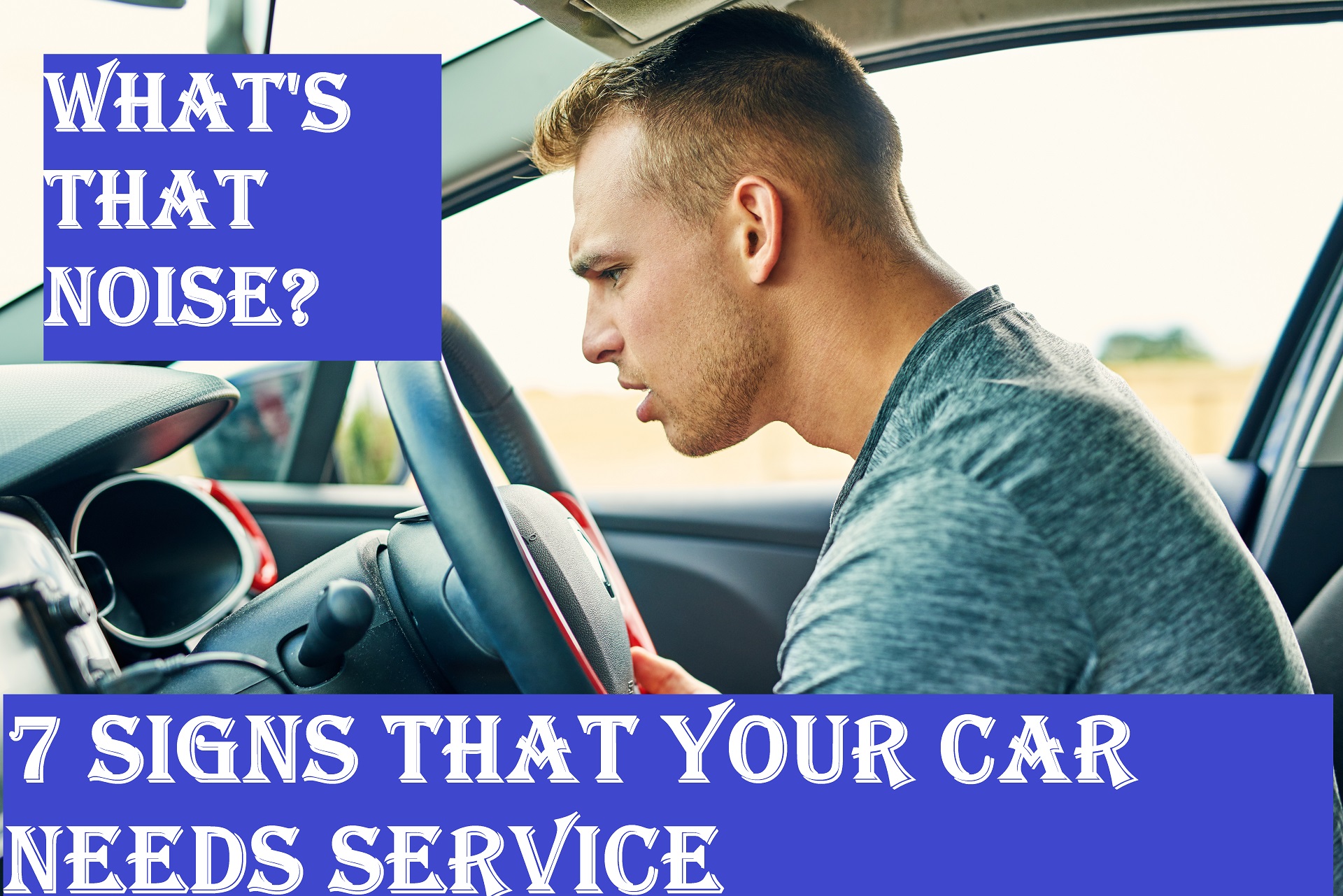
You should book your car for service once every year or 12,000 miles (whichever comes first). Sometimes, you may not always be able to stick to this schedule because of time constraints or a busy schedule. Thankfully, your car will give you signs that it needs attention in between regular service intervals.
Here are seven signs to watch out for:
1. Dashboard Warning Lights
The dashboard is your car’s way of communicating with you. You’ll see a spanner icon or the word “SERVICE” light up on your dashboard if your vehicle needs servicing. Depending on the make of your car, the lighting will come with text showing how long you’ve got left before it needs to be serviced. Some models will tell you if the service is overdue and needs immediate attention. You should know that dashboard lights will not only come on in the dashboard for service. Sometimes these lights indicate some fault in your car. Check if the service light illuminates together with other warning lights to know what needs to be addressed.
2. Strange Noises
If you notice any strange noises coming from your engine, it is a sign that something needs to be serviced or replaced. Unusual sounds can indicate wear and tear on major components like brakes, suspension, or even worn-out belts and hoses. Sometimes, it’s wear on the body of the car like rattling or squeaking. Listen carefully to where the noise is coming from. If it’s the engine, you should be quick to get it serviced. It is important to bring your car in for service if you hear any strange noises coming from it.
3. Unusual Vibrations
Unusual vibrations can be a sign that something is wrong with your car. It could be a worn-out drive belt, an issue with the engine mounts, or even an exhaust leak. Even when you are driving on smooth roads, if you feel any unusual vibrations coming from your car, it is a sign that something is wrong and needs to be checked out. Call your service repair shop and make an appointment to have your car serviced as soon as possible.
4. Unusual Smells
If your car has been emitting strange smells like burning oil or rubber, then this could indicate a problem with its engine or emission system. It could also mean that one of the hoses has cracked or worn-out, which could lead to further damage if left unchecked. If you smell anything unusual coming from your car, it’s best to bring it for a check-up immediately.
5. Fluid Leaks and Mystery Puddles
Fluid leaks are another sign that your car needs service. It could be leaking oil, coolant, or even brake fluid. You will notice leaks when you see a puddle forming under your car or when the fluid level on your dashboard drops quickly. Don’t wait until it’s too late; take your car in for a service if you notice any fluid leaks. You may also hear a sizzling sound in the engine area when you stop your engine. This can be caused by leaking fluids dripping on heated engine components.
6. Loss of Power and Frequent Stalling
If your car is losing power or stalling more frequently, this could be a sign of an underlying problem. It could be solved by a simple replacement of spark plugs or a mechanical repair or replacement of much more complicated issues like a malfunctioning fuel injection system. Whatever the cause, it’s important to have your car serviced at the first sign of power loss or stalling. Let a pro diagnose and fix the problem before it gets worse.
7. Smoke Coming From The Exhaust Pipe or Bonnet
Smoke coming from the exhaust pipe is an indication of a potentially serious problem. It could mean a clogged air filter, a faulty oxygen sensor, or even engine damage. If you see smoke coming out of your bonnet, there’s likely an issue with your cooling system like a loose hose or worn radiator cap. Either way, smoke coming out of your car is a sign that you need to have it inspected and serviced by a qualified mechanic.
When this happens, make sure you turn off the engine, keep a safe distance, and call a tow truck.
What Happens if You Don’t Service Your Car?
If you don’t get your car serviced when it needs to, you can be putting yourself at risk of major problems. Not only will you run the risk of your car breaking down in the middle of nowhere, but any potential engine damage could end up costing you much more than if you had just taken it to a mechanic for regular service. It’s also important to keep your car serviced for safety reasons. Without regular maintenance, it could become a danger on the road, putting you and others at risk.
Reach Out to Lake Elsinore Honda to Service Your Car
Finally, any strange noises, smells or leaks are all signs that your car needs service to ensure that it’s running safely and efficiently. Don’t wait until there is a major problem, it’s best to take your car in for a check-up as soon as any of these signs appear. If you’re looking for a place to bring your car for servicing and maintenance, look no further than Lake Elsinore Honda – our team of qualified service technicians can diagnose problems with your vehicle and make sure that it is running smoothly and safely. Contact us today to learn more.
10 Common Car Engine Problems and What Causes Them
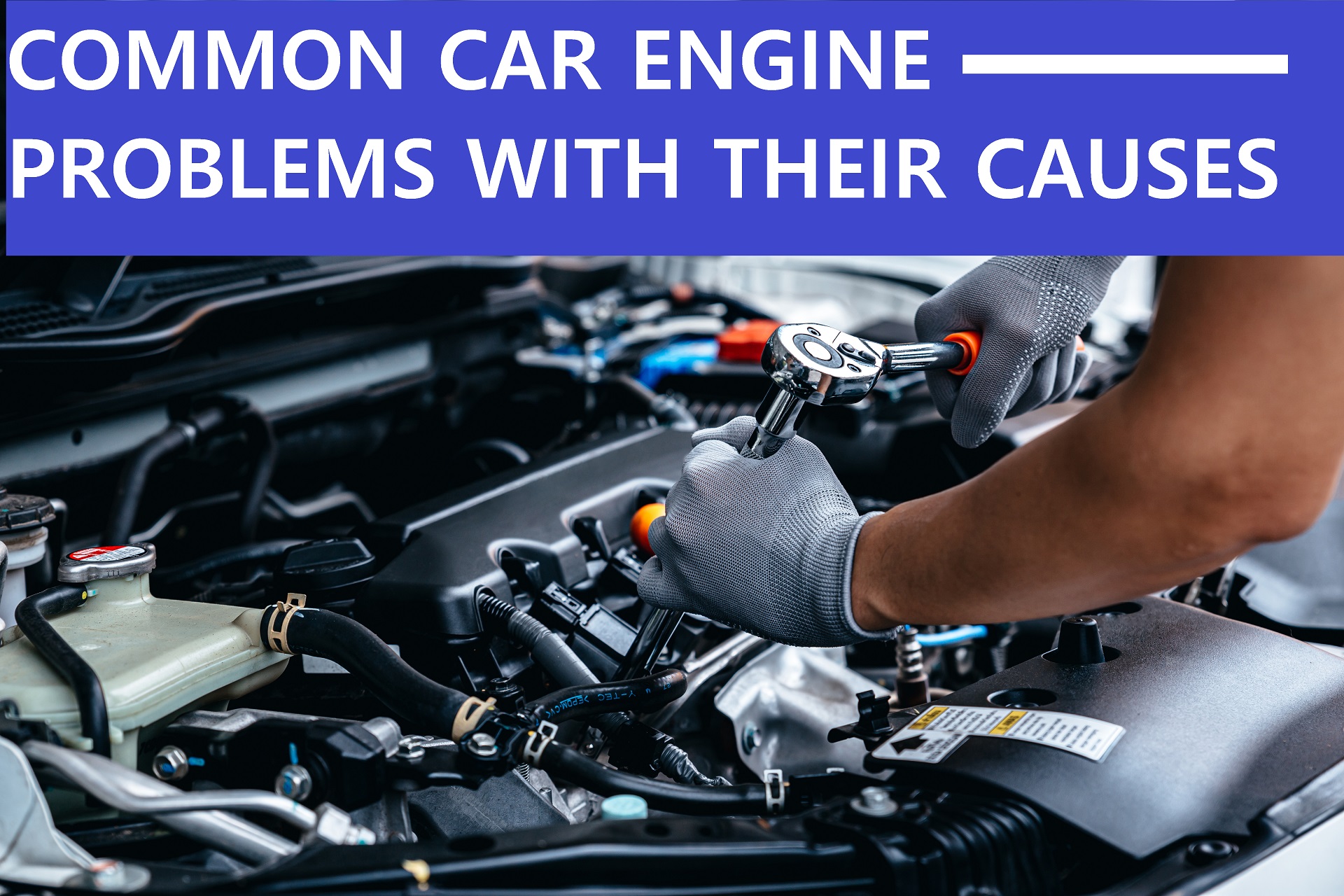
Typically, car manufacturers recommend that you service your vehicle once per year or every 12,000 miles, whichever comes first. This can be more frequent if the engine is exhibiting any signs of trouble. The truth is car engines can experience a variety of problems that require attention and repairs. Knowing what to expect can help you identify an issue with your engine before it gets worse.
Here are 10 common car engine problems and what causes them:
1. Misfiring Engine
You know an engine is misfiring when it makes an unusual sound, such as a “puttering” noise. This occurs when one or more of the engine’s spark plugs are firing incorrectly or not at all. The most common cause of a misfiring engine is faulty spark plugs and wiring, but it can also be a faulty engine control unit. According to car manufacturers replacing spark plugs every 30,000 to 100,000 miles is ideal.
2. Dirty Engine Coolant
When engine coolant becomes dirty or contaminated, it can cause overheating and other engine problems. The most common cause of this is a coolant leak from the hoses or seals in the cooling system. To prevent this issue, make sure that your vehicle’s cooling system is flushed out with fresh coolant every 24 months, or as specified by your car manufacturer.
3. Leaking Oil
Oil leaks are common in older vehicles and can lead to engine damage if left unchecked. The most common causes of oil leaks are loose bolts, cracked gaskets, or worn seals – all of which should be checked regularly and replaced as needed. Also, make sure that you change the oil in your vehicle according to the manufacturer’s recommendations. You should also check the oil levels in your car regularly to ensure that it’s not leaking from any other source.
4. Faulty Combustion Parts
Faulty or worn combustion parts, such as spark plugs, fuel injectors, and ignition coils can cause engines to misfire or run rough. It’s important to check these parts regularly for signs of wear and tear and replace them if necessary. If you’re having trouble starting your car or it’s running poorly, one of these components may be to blame.
5. Oil Starvation
If your car isn’t getting enough oil, it can cause serious damage to the engine. This is because oil lubricates the moving parts of the engine and not having enough oil can lead to excessive wear. Make sure that you’re checking your oil levels regularly and topping them off if necessary. If you find that you’re constantly having to add oil, it may be a sign of a bigger problem such as a leak or another issue.
6. No Engine Lubrication
Another common engine problem is a lack of lubrication. Without the right amount and type of oil, the moving parts of your engine can suffer from excessive wear and tear. It’s important to check your oil level regularly and to change it as recommended by the manufacturer. If you don’t have enough lubrication, it can also lead to overheating, which may cause further damage.
7. Too Little or Rich Air/Fuel Mixture
For your engine to run properly, it needs the right air/fuel mixture. If there isn’t enough fuel or too much air in the mix, then this can cause poor performance and possibly even engine stalling. This is usually caused by a faulty oxygen sensor, carburetor, or fuel injector. When these components wear out or become clogged, they can cause your engine to run inefficiently. You should have these components checked and replaced if needed to maintain optimal performance.
8. Oil Sludge Build Up
Oil sludge build-up can occur when the oil in your engine hasn’t been changed regularly. It happens when oils break down and become a viscous gel-like substance that collects on engine components like pistons, valves, and spark plugs. This can cause serious damage to your engine as it prevents proper functioning and circulation.
9. Too Much Heat in The Combustion Chamber
Heat buildup in the combustion chamber can cause excessive pressure. This can lead to problems like knocking, pinging, and poor performance. It may be caused by a faulty thermostat that doesn’t open or closes properly or a clogged coolant system. The knocking sound may start gently but will increase in intensity as the problem worsens.
10. Malfunctioning Oxygen Sensor
The oxygen sensor measures the amount of oxygen in the exhaust. A malfunctioning oxygen sensor can cause serious damage to your engine, as it causes a rich fuel mixture and leads to increased emissions. This will also cause poor drivability and fuel economy. If you notice your engine idling rough or misfiring, have your vehicle inspected for a faulty oxygen sensor.
Service Your Car With Lake Elsinore Honda
Having a properly functioning engine is essential for the safe and reliable operation of your vehicle. Paying close attention to your car’s performance and knowing common engine problems can help you prevent costly repairs in the future. At Lake Elsinore Honda, our team of certified technicians is here to help you with all your vehicle maintenance needs. We offer a comprehensive range of services and genuine Honda parts, allowing us to keep your car running smoothly for years to come. Visit us today at our dealership in Lake Elsinore, CA or schedule an appointment online.
Honda WR-V features and models

The Honda WR-V is a subcompact crossover SUV that is well-known for its exceptional gas efficiency, its numerous helpful features, and its durability. It also has a reputation for being one of the most dependable vehicles in its class. This model is often selected by individuals and families who are looking for a vehicle that is not only compact but also powerful, and that can fulfill a diverse set of criteria in an efficient and accommodating manner. This article provides a comprehensive analysis of the Honda WR-V, covering topics such as the vehicle’s myriad of available configurations and amenities in great detail.
The Honda WR-V joined the lineup of the company’s vehicles in the same year that it was first introduced, making it one of the more recent models (2017). There is a range of models available for purchase, some examples of which include the S, the SV, and the VX. The higher-end models come with a bigger number of upmarket amenities and pleasures, but all of the models come with a broad choice of equipment and features to choose from.
One of the distinguishing qualities of the Honda WR-V is its ability to use less fuel than comparable vehicles. It is possible for it to be propelled by either a gasoline engine with a displacement of 1.2 liters or a diesel engine with a displacement of 1.5 liters; both of these engines are well-known for the little quantity of fuel that they use. The Environmental Protection Agency (EPA) has determined that the fuel economy of gasoline engines may achieve up to 18 miles per gallon in the city and up to 25 miles per gallon on the highway. In contrast, the fuel efficiency of the diesel engine may achieve up to 28 miles per gallon in the city and up to 31 miles per gallon on the highway. Because of this, customers who are looking for a vehicle that gets great gas mileage without sacrificing performance or capabilities will find the Honda WR-V to be an enticing choice among available alternatives to take into consideration.
The Honda WR-V is well-equipped in terms of the interior comforts, with seats that are comfortable and supportive, a cabin that is spacious, and a range of various advanced technology systems. The infotainment system has a touchscreen display, and it is outfitted with amenities such as satellite navigation, Bluetooth connectivity, and a premium sound system as standard equipment. In addition to this, it has a number of conveniences built in, such as power windows, an automatic temperature control system, and keyless entry, all of which are intended to make daily living less complicated. The higher-end models are equipped as standard with luxuries like as leather upholstery and a sunroof, both of which infuse the interior space with an aura of polished refinement. The Honda WR-V also comes standard with a substantial amount of storage space, which is made possible by the vehicle’s spacious trunk as well as the several storage compartments that are spread out around the cabin.
In the case of an accident, a variety of cutting-edge safety systems are included in the Honda WR-V. These technologies are intended to keep the occupants of the car safe. In addition to airbags, stability control, and traction control, it also has a rear camera, which may be helpful while parking and navigating. These safety features are included to assist reduce the likelihood of an accident occurring. The presence of all of these safety elements is beneficial. Because of the vehicle’s high-strength chassis and body structure, all of the vehicle’s occupants will be protected in the event that it is involved in a collision. The higher-end models come outfitted with additional safety technologies such as blind spot monitoring, adaptive cruise control, and rear cross traffic warning, all of which contribute to the protection of the driver as well as the safety of the passengers while they are traveling on the road. These technologies also contribute to the convenience of the driver.
Conclusion
The Honda WR-V can be purchased with either a gasoline engine that has a displacement of 1.2 liters or a diesel engine that has a displacement of 1.5 liters; both of these engines can be mated to either a manual gearbox or a CVT automatic transmission. The gasoline engine has a higher top speed than the diesel engine. The gasoline engine has the potential to generate a maximum of 88 horsepower and a maximum of 110 Nm of torque, whilst the diesel engine has the potential to generate a maximum of 190 Nm. Visit us at Lake Elsinore Honda for more car and service information.
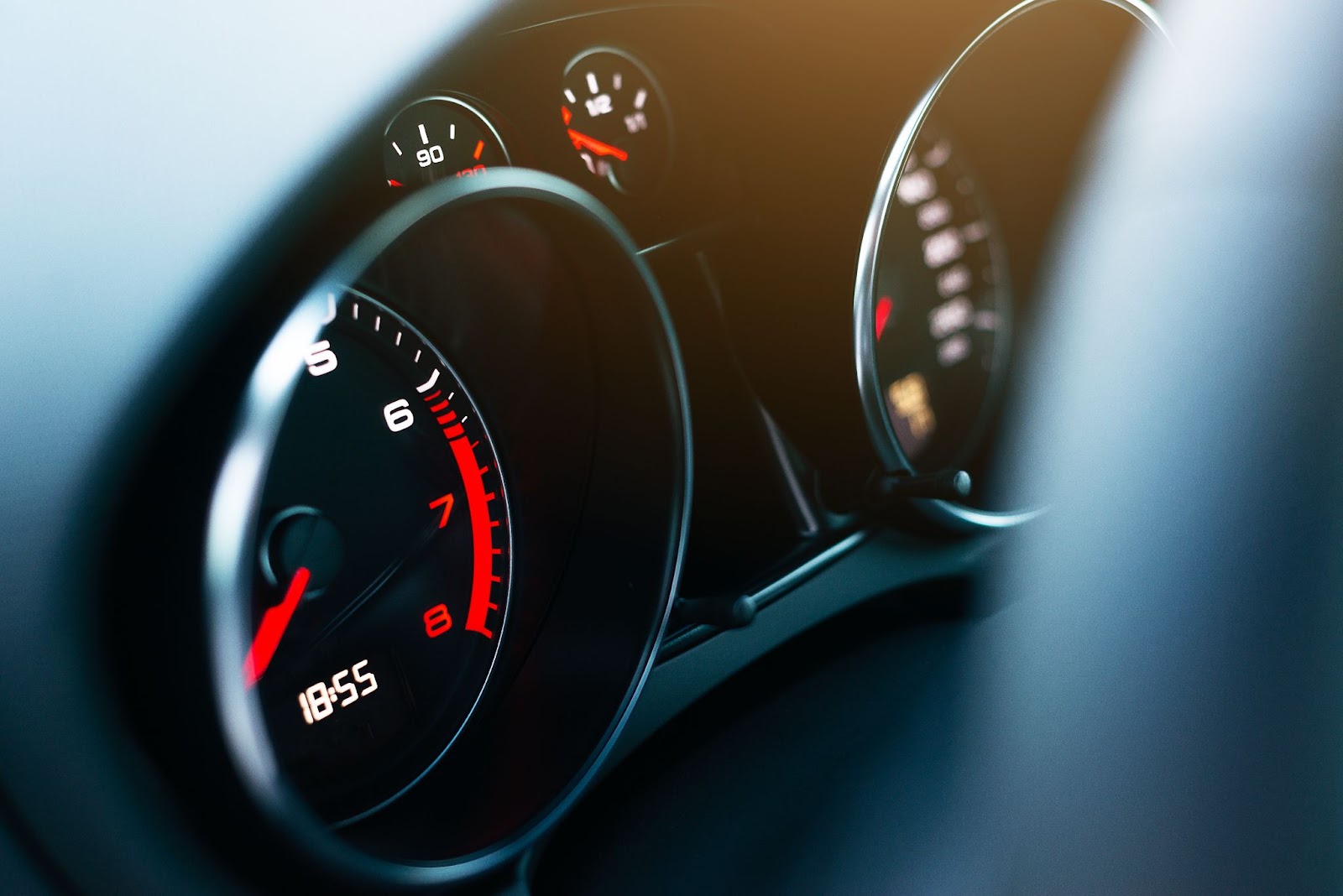
The RPM of an engine is critical for diagnosing potential problems and driving efficiently. A tachometer on the dashboard of almost every car measures and displays RPM. Nonetheless, some drivers are unable to recognize the tachometer on their dashboard. Many others have no idea what it is measuring. This article will teach you about RPM, how to read your tachometer, when to shift gears, and the best RPM practices.
What is RPM in automobiles?
The term RPM stands for Revolutions Per Minute. It is the internal rotational speed of the motor. As a result, it is also referred to as engine speed. RPM is used to describe the speed of an internal combustion engine. It also displays the number of rotations completed in a minute as well as the number of times it fires.
The crankshaft is the component that rotates inside the engine. It rotates due to the up-and-down action of pistons inside cylinders linked by specialized rods. This occurs when the spark plugs ignite the gasoline that enters the engine.
Vehicle engine RPM is one of the most fundamental measurements of any automobile motor’s performance. It affects how and where an engine produces power and is also an important part of safe driving.
How to Determine Your Car’s RPM
A car’s RPM is often shown on a tachometer next to most speedometers. The tachometer is found in both manual and automatic transmission automobiles. It may also be shown on a calibrated analog dial or as a digital display. Tachometers often have numbers ranging from 1-7 or 1-9. These figures refer to the RPM of the vehicle. Because RPM is measured in thousands, multiply the value by 1000 to find the RPM of your engine.
The redline is a zone at the top of the tachometer range. This is because it is normally denoted with a red line, and exceeding it might result in engine damage. This issue may not be as significant in automatic vehicles, which are set to change gears before your engine speed hits that limit. It is, however, a worry for vehicles equipped with manual gearboxes.
What RPM Is Best for Driving?
The RPM obtained from the throttle and the gearing of your vehicle control your road speed. When in a high gear, high RPM increases road speed, while low RPM governs your car’s acceleration. Low RPM, on the other hand, is beneficial for increasing engine torque, which is the pulling power required for moving over large rocks.
At 100km/h, the average RPM of a car is between 1500 and 2000 rpm. And driving above or below the range is extremely dangerous for both your car and yourself. A diesel engine idles at around 750 rpm. In sixth gear, it can reach a top speed of 110 km/h at 2000 rpm.
While this is a significant amount, petrol engines far exceed it. When driving at high speeds, these engines can reach 6000 rpm. Formula One V6 engines, for example, can achieve even higher revolutions per minute. The engines can reach 15,000 rpm for 1,000 hp and top speeds of 350 km/h. As a result, there is no optimal RPM for autos in general. It is determined by your engine.
When you drive at revolutions below the range, the engine does not have enough power and does not work properly. However, driving over the range indicates that your engine is overworking and may ultimately fail.
The Importance of RPM in Automobiles
RPM is critical in automobiles with manual transmissions. This is not the case for automobiles with automatic gearboxes. The reason for this is because the automobile estimates the amount of spins automatically. It also automatically adjusts the gearbox to raise or reduce the speed.
RPM is important in manual gearbox vehicles for the following reasons:
- The RPM indicates when to change gears for lower or higher speeds.
- Changing gears using RPM may preserve your gearbox and engine from overheating and damage.
- When you follow RPM measurements accurately, the speed change seems smoother when driving.
- It is important to understand the engine’s performance so that you can do proper maintenance to extend its life.
When Should You Change Gears?
If you’re thinking, “at what rpm should automatic gearbox shift?” the answer is that it depends on the automobile you drive. So you should consult your user handbook for a solution. However, you don’t have to worry about it since the engine handles the shifting.
In manual transmission, the driver shifts the engine dependent on the RPM of the engine. Shifting gears between 2000 and 2500 rpm is recommended for maximum engine efficiency.
How Does RPM Affect Vehicle Performance?
RPM affects a vehicle’s performance through influencing its fuel consumption while driving. Fuel consumption in a vehicle is directly related to RPM. As a result, lower RPM implies reduced fuel usage. Here are some of the ways RPM impacts both manual and automatic vehicles.
The Effect of RPM on Manual Vehicles
For manual autos, it is advisable to keep your eyes on the RPM and change gears as needed. This is due to the fact that exceeding speed restrictions may result in increased fuel consumption and engine damage. Instead, you should strike a balance with your motivation. This manner, you may use the RPM to monitor the long-term and constant functioning of your vehicle.
The Influence of RPM on Automatic Vehicles
Even under intense acceleration, vehicles with automatic transmissions may automatically change from lower to higher ratios. Furthermore, when the accelerator pedal is softly pushed, automated vehicles may keep lower ratios. This function aids in maximizing fuel economy and improving vehicle performance.
Conclusion
Understanding the definition of RPM and its significance to your vehicle is critical. This post has introduced you to the finest RPM techniques for improving your car’s performance while optimizing fuel economy.
If you are interested in high RPM automobiles that can ensure faster speeds for racing, please contact Lake Elsinore Honda.

The Honda Civic and Honda Accord must be carefully compared if the ideal sports sedan is to be found. Both Honda types are undeniably effective and well-known. The Honda Accord and Honda Civic will be top-of-the-line when they are invented in 2022, which is more intriguing. They exude strength and comfort thanks to improvements in their characteristics. They vary, nonetheless, in terms of pricing, trim level, size, spaciousness, and engine power. The front fascia and body layout are most similar. Which is more capable, therefore, is the question that arises? Honda Civic or Honda Accord in 2022? The distinctions between Civic and Accord are described in this article. 2022
Honda Civic vs. Honda Accord in 2022 Space and Size
Both of the 2022 Honda models resemble one another externally. The Honda 2022 Civic Sedan, which has five seats, is smaller than the 2022 Accord. Compared to the Honda Accord, it offers less room for passengers and baggage. 14.8 cubic feet of cargo capacity and 99 cubic feet of passenger space are provided by the 2022 Honda Civic. The 2022 Honda Accord, on the other hand, provides more. The five-person, four-door sedan offers 105.6 cubic feet of passenger capacity and 16.7 cubic feet of luggage space.
The 2022 Honda Accord has dimensions of 192.1 inches in length, 57.1 inches in height, 73.3 inches in width, and 111.4 inches in wheelbase. The 2022 Honda Civic measures 184.0 inches in length, 55.5 inches in height, 73.3 inches in width, and 107.7 inches in wheelbase.
Honda Civic vs. Accord Trim Levels for 2022
There are many trim levels for the 2022 Honda Civic and Accord, and they range in terms of cost, amenities, and specs.
Compare the trim levels and features of the 2022 Civic and Accord below.
The Honda Civic Trim Levels for 2022
There are four trim levels for the Honda Civic 2022. The LX, Sport, EX, and Touring trims are among them.
- climate control that is automatic
- Color touchscreen headlamps measuring 7 inches
- 4-Speaker, 160-Watt Audio System
- Transmission with Continuous Variation
- Important characteristics of the Honda Civic Sport trim level for 2022
- Integration with Apple CarPlay
- Integration with Android AutoTM
- driving system with three modes
- Steering wheel wrapped with leather
- Glossy black 18-inch alloy wheels
- 7-Inch Touch-Screen Audio Display with Electrostatic
- Remote engine starting and push-button starting
- Paddle-Shifted Continuously Variable Transmission
- Walk Away Auto Lock with Smart Entry
- The 2022 Honda Civic Ex trim level’s salient characteristics include
- front chairs with heat
- anterior USB ports
- Automatic dual-zone temperature control
- fold-down rear seatback with a 60/40 split
- Paddle-Shifted Continuously Variable Transmission
- 8-speaker, 180-watt audio system
- Power moonroof with one touch
- The 2022 Honda Civic Touring trim level distinguishes itself with amenities like the Honda Satellite-Linked Navigation SystemTM and the Bose Premium Audio System with 12 Speakers and Subwoofer.
- seats with leather trim
- Paddle-Shifted Continuously Variable Transmission
- Wireless Wireless Android AutoTM and Apple CarPlay® integration
- telephone charger wireless
- 18-Inch Aluminum Wheels
- Front-seat LED fog lights with power
The Honda Accord Trim Levels for 2022
- Nine trim levels are available for the 2022 Honda Accord. LX, Sport, Sport Special Edition, EX-L, Touring, Hybrid, Hybrid Sport, Hybrid EX-L, and Hybrid Touring are a few of them.
- Important characteristics of the Honda Accord LX model level for 2022
- anterior USB ports
- 160-watt audio system with 4 speakers.
- Automatic dual-zone temperature control
- Fabric seats
- Bluetooth Audio Streaming
- 17-inch alloy wheels with a multi-angle rearview camera
- Integration of Apple CarPlay and Android AutoTM
- Important characteristics of the Honda Accord Sport trim level for 2022
- 8-inch touchscreen audio display
- 180-watt audio system with 8 speakers
- Available is blind spot information with cross-traffic monitoring.
- alloy 19-inch wheels
- LED fog lights and full LED headlights
- Power 12-way driver’s seat
- exhaust finisher in chrome
- The 2022 Honda Sport Special Edition trim level’s salient characteristics
- Automatic dual-zone temperature control
- front chairs with heat
- Remote-Start an engine
- seats with leather trim
- Android AutoTM and Apple CarPlayTM
- driver’s seat power
- Walk-Away Auto Lock for Smart Entry
- LED fog lights and full LED headlights
- Important characteristics of the 2022 Honda EX-L trim level
- Wireless Apple CarPlay compatibility
- telephone charger wireless
- 450-watt, 10-speaker audio system
- Information system for blind spots
- Wireless Integration with Android AutoTM
- seats with leather trim
- alloy 17-inch wheels
- LED courtesy lights
- Driver memory seat for the power front seats
- Important characteristics of the Honda Touring trim level for 2022
- Display in the Head
- exhaust finisher in chrome
- Control for Low-Speed Braking
- LED courtesy lights
- front chairs with vents
- Outboard rear seats with heat
- Intelligent Entry w/Walk Away Lock Auto
- alloy 19-inch wheels
Honda Civic vs. Accord engine and MPG in 2022
They both have very good fuel economy. The fuel efficiency of the 2022 Honda Civic has improved compared to earlier models. A typical 2.0L normally aspirated four-cylinder engine powers it. 158 horsepower and 138 lb-ft of torque are the EPA ratings for this engine. Additionally, it is projected to get 31 city and 40 highway mpg. It has a 12.4 gallon gasoline tank, and depending on the model, different distances may be driven.
EPA estimates that the LX 2.0L will get 31 city and 40 highway mpg, the Sport 2.0L will get 30 city and 37 motorway mpg, while the EX 1.5L Turbo will get 33 city and 42 highway mpg.
Touring 1.5L Turbo has an EPA-estimated 31 city mpg and 38 highway mpg.
The Honda Accord 2022 is a car with a high degree of fuel performance. It has a fuel efficiency rating of 30 city and 38 highway mpg, according to the EPA. Additionally, it includes a 14.8-gallon gasoline tank. Like the Civic, different models have different driving ranges.
With LX and EX-L, the EPA estimates 30 city and 38 highway mpg. With Sport 1.5T and Special Edition, the EPA estimates 29 city and 35 highway mpg.
EPA estimates for the Sport 2.0T and Touring 2.0T are 22 city and 32 highway mpg, for the Touring and Hybrid Sport are 44 city and 41 highway mpg, and for the Hybrid and Hybrid EX-L are 48 city and 47 highway mpg.
Honda Civic vs. Accord Price in 2022
The Honda 2022 Civic has a $22,550 starting MSRP. The cost, though, varies depending on the trim you choose.
The list price of the 2022 Honda Accord is $25,470. The trim level, however, also affects pricing.
Conclusion
Your comparison of the dependability of the 2022 Honda Civic and Accord will rely on your demands. Space, engine power, interior amenities, or comfort can be your deciding factors when purchasing a vehicle. Whichever it is, Lake Elsinore Honda can help you learn more about it. Make an appointment with us or browse our selection of Honda vehicles right now.
10 Essential Tips to Care For Your Car during Fall
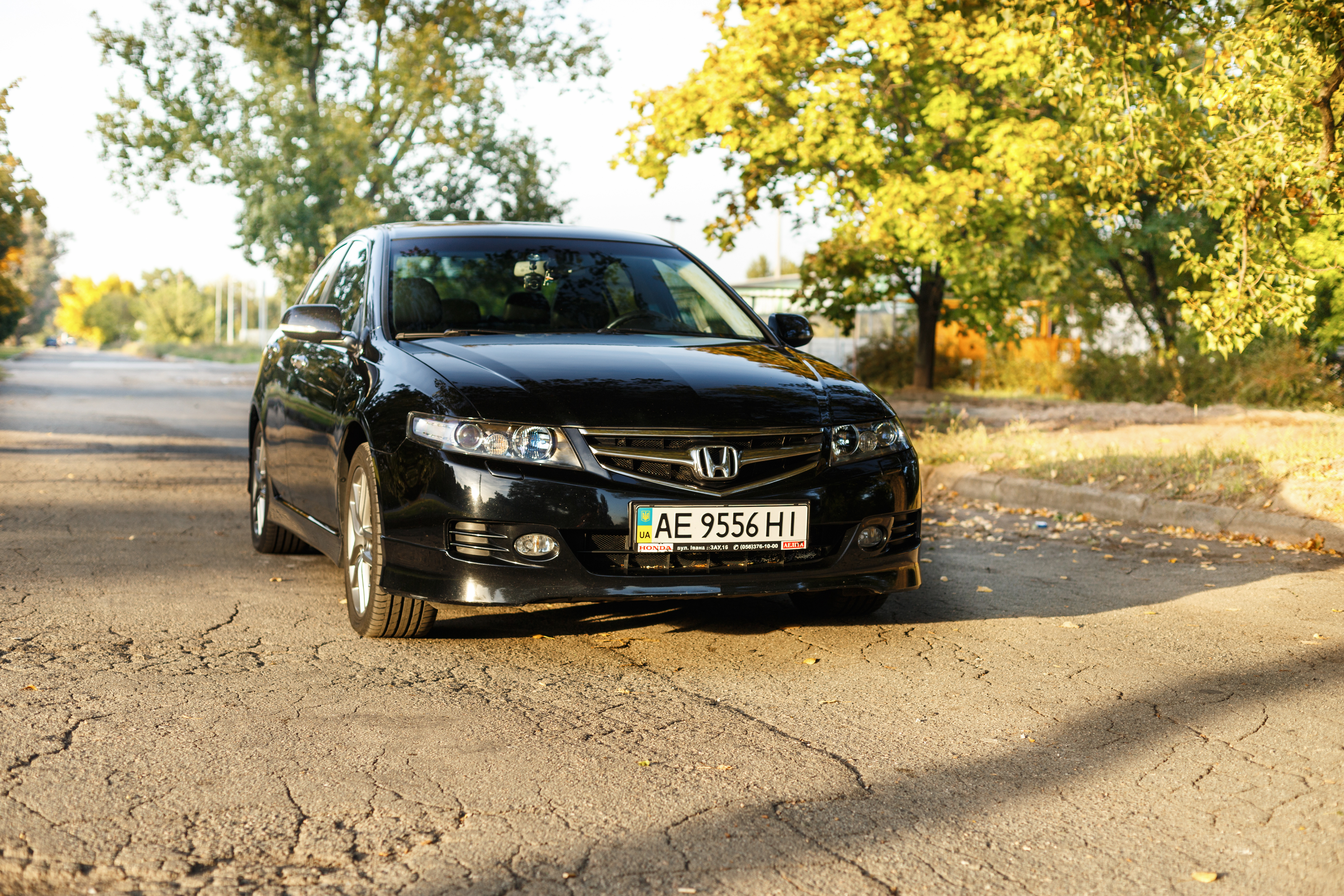
The World Health Organization reports that an estimated 684,000 accidents occur during falls. And this is mainly because many have developed a carefree attitude to car care. The fall season often showers rain and sometimes snow, causing damage to cars with weak parts. To avoid the worst, proper care should be given to cars during the fall season, and emphasis should be made on driving safety tips for fall.
This article outlines some car care tips for fall. By following them strictly, you can insure your car in good condition until the season is over. These tips are;
Check Your Tires
The tires are vital parts of a car. They are connected to your brakes, handling performance, and the overall safety of your car. This is why you should inspect them during the fall season to be on the safer side.
You first need to check the tire tread depth using a gauge or the penny test. Take the measurements of the outer, inner, and center tread. According to the legal safety standard of the United States, the tire tread should be at least 2/32″ deep. If it’s less than that, then you need a tire replacement. After that, check the tire pressure using a tire pressure gauge.
Inspect the Fluids
Inspecting your car’s fluid is one of the car maintenance safety tips requiring close observation. This is because car fluids help keep your car running. Some cars don’t have differential and transfer case assemblies. But if your vehicle does, then you need to check the fluids.
Inspect the engine oil, brake fluid, coolant, and windshield wiper fluid. If the vehicle has hydraulic power steering and a dipstick, you’ll need to check the power steering fluid and transmission fluid as well. If you have no idea how to inspect and change them, have a professional do it.
Make Sure The Wiper Blades Are Functioning
The fall season comes with snow and rain. Therefore, driving with malfunctioned wiper blades is hazardous to your car and safety. Here are signs you need to change your windshield wipers;
- If the rubber is cracked, split, broken, or the blade looks rounded instead of the typical slant look.
- When it makes irritating noises, it isn’t cleaning your windshield well.
- If the frame or blade is bent, it won’t work correctly with the windshield.
- When your wiper causes streaks on your windshield as it moves, its another sign that it isn’t cleaning it.
- Poor windshield contact when it rains heavily.
When you observe these signs with your wiper blades, you need to change them immediately to improve visibility while driving on a rainy day.
Be Sure the Lights Are Working Properly
It’s no news that nighttime comes earlier during the fall season. Therefore, you’re more likely to be out when it’s dark. You’ll need to check out your car’s exterior lights continuously and change them if necessary. These lights include brake lights and reverse lights, among others.
If you notice a burnt-out bulb or experience difficulties seeing the dark, it’s a sign that you need to change your car’s light. Don’t try to manage a damaged light, as it could result in accidents or car damage. If you have problems fixing it, get a mechanic to help you with it.
Make Sure the Heater is Functioning
Like most drivers, you might not have turned on your heater during summer, but now that it’s fall season, it’s only beneficial that you turn on the heater.
The heater is connected to the engine cooling system and warms up the cabin with heat from the engine. So, if you notice the heater is blowing cold air, there is a cooling system problem. Either the water pump is faulty, or the heater core is clogged. And sometimes, it could be a result of an opened thermostat. A trusted auto service will help determine what it is.
Check the Brakes
This is one of the fall car care tips you shouldn’t take with levity. We all know how vital car brakes are and the repercussions of driving with damaged ones. Here are some ways to know if your brakes are worn out;
- If you continuously hear squeaking noises
- Halting the car takes longer than it should
- The brake pedal vibrates when you press it
- Most importantly, a reading of 3mmm or less signifies that you need to replace it immediately
Check Your Battery
During the fall season, you must always get your battery checked, so you can change it immediately if it becomes weak. As you’d agree, getting stuck in the rain sucks. Here are some signs you need to change your car battery;
- Dim lighting and electrical issues. Since the battery powers your car’s electrical systems, using them would be impossible if you have a weak battery.
- When you find starting your engine challenging, it’s a sign that your car battery is in the final stage.
- A bad battery can cause the battery to leak gas, protruding a bad smell
Have Your Air Filter Checked
A damaged air filter can adversely affect how your engine works. So, it’s essential to check your air filter occasionally, especially during the fall season, to avoid getting stranded in the cold. Here are some signs you may notice when your air filter needs replacement;
- Your engine makes odd noises
- The ‘check engine’ light that appears on the dashboard has different meanings. The light can automatically turn on if the filter is blocked. In cases like this, check for confirmation.
- A dirty or discolored filter is the easiest way to detect a filter change.
- Poor fuel economy.
- Poor performance of the engines.
- Black and offensive smoke from the exhaust.
Conclusion
Before the end of the fall season, you still have a chance to give proper care to your car and avoid any inconveniences. You can also follow some car cleaning tips and interior routines in addition to proper car care. If you need to replace some parts of your car, visit us at Lake Elsinore Honda. You can also check our inventory for the latest Honda cars that can withstand any season.
It is highly essential to improve the fuel efficiency of your car. The primary reason for this is that it helps you save money on fuel, which you can spend on other important stuff. Additionally, improving your car’s fuel economy is also helpful to the environment as it releases fewer emissions into the air.
Also, on the national level, it reduces a country’s dependence on oil imports. This article will show you how to increase your car’s fuel economy.
10 Ways to Improve Your Car’s Fuel Economy
Improving your car’s fuel economy might sound like an arduous task. However, it can be achieved with specific activities even if you haven’t saved enough for cars with the highest fuel economy. Here are ten sure ways you can improve your car fuel mileage;
- Keep watch on your tires
- Watch your speed and use cruise control.
- Avoid unnecessary idling.
- Reduce drag.
- Coasting in gear.
- Ensure proper servicing and maintenance.
- Remove excess weight.
- Plan your route.
- Use heating functions and air-con wisely.
Keep Watch on Your Tires
The performance of your tires is one of the significant factors determining your car’s fuel economy. Underinflated tires usually have greater rolling resistance. And driving with them leads to friction, increasing fuel consumption.
Additionally, the fuel efficiency rating of your tire also determines your car’s fuel economy. Tires are classified from A to G based on their fuel efficiency by the European Commission. A-rated tires can improve fuel economy by up to 7.5{60302a704289ffbf97a4812255a0bc8a6f23097845ce08f1b9000776917131c2} compared with G-rated tires.
Watch Your Speed and Use Cruise Control
It is always better to be mindful of the speed at which you’re driving. This idea isn’t for safety alone. It also helps in improving fuel economy. Obeying speed limits is a good option as it saves fuel money while still not breaking the law.
When you drive above the speed limit at 80mph instead of 70mph, you consume 25 percent more fuel. Additionally, speeding up and slowing down increases fuel consumption, so you should let your car maintain a cruising speed when appropriate.
Avoid Unnecessary Idling
Whenever you are at a standstill, you should turn off your engine. If your engine is turned on at a standstill, you’re getting zero mpg because your fuel is being used up, and you are still on the spot.
The California Energy Commission advises vehicle owners to turn off their engines if the wait is more than 10 seconds because idling vehicles can consume up to a gallon of fuel in one hour. Therefore, even when you are defrosting your car, turn off the engine.
Reduce Drag
Most cars are manufactured to maximize aerodynamic functions, which ensures they slip through the air more efficiently to improve fuel economy and car performance. However, car owners ruin this advantageous feature by installing roof boxes and bike racks on their cars.
It is best to remove such items from your roof when they are not in use. The reason is that they cause the car to work much harder. And when that happens, your car consumes more fuel than it usually should.
Coasting in Gear
Some drivers who are more familiar with cars from the 80s will argue that putting their car into neutral while coming to a stop helps to reduce fuel consumption due to lower rpm. However, this is not true of modern vehicles.
If you leave your car in gear and come to a halt without laboring the engine, there will be no fuel consumption. The reason is that the car engine would turn itself over with the driveline rather than the fuel. And your car’s computer will stop fuel input into the engine.
Ensure Proper Servicing and Maintenance
Your car’s engine must be subjected to occasional servicing to track car fuel economy. It will be more efficient when you do this per the manufacturer’s schedule. You should also use the correct fluids, parts, and lubricants to improve performance and fuel economy.
Also, it is crucial that you check your wheel alignment and rectify it as soon as possible. The reason is that instead of rolling properly, misaligned tires drag. And this reduces your car’s fuel efficiency by as much as 10 percent.
Remove Excess Weight
Your car consumes more fuel in moving from one place to another when it is heavy. Lighter cars are more affected by excess weight than heavier ones. You can reduce gas mileage by up to 1 percent if you have an additional 100 pounds in your car.
It would be best if you did everything possible to make your car lighter and save money. Although bike racks and roof tracks are usually the leading causes, the different things in your rear seat and boot can also go a long way in increasing weight.
Plan Your Route
Your engine is under a lot of pressure when you drive under start-stop traffic. For this reason, more fuel is consumed than necessary. It is better to plan your route carefully to know how to get to your destination without driving in circles and avoid start-stop traffic.
Sat nav systems can help give you the best route to take to your destination in less time, thereby using less fuel.
Use Heating Functions and Air Con Wisely
Any feature in your car that drains the car battery automatically burns your fuel. The reason is that they use the alternator to keep the battery charged. And the engine powers the alternator, which would not work without fuel.
This consumption effect is also true for heated windscreens, heater seats, and every other heat stuff. Still, you should use your air-con occasionally so its components will not degrade.
Conclusion
Increasing fuel economy is essential for every driver as it helps to reduce the amount spent on fuel and emissions released into the air. Also, car fuel-saving devices do not have a justifiable effect on fuel economy, so you should follow the tips discussed above instead.
You can visit our website if you are interested in affordable Honda cars with excellent fuel efficiency. At Lake Elsinore Honda, you can also get a Hybrid – a top-rated car with the best fuel economy.
11 Car Noises You Should Never Ignore
Key Takeaways:
- When your car makes unusual noises, it’s a good idea to have a local mechanic take a look.
- If your engine makes a noise like a coin sliding around in a clothes dryer, it might be overheating.
- Squeaking, grinding brakes, pinging, knocking, or rattling engines usually mean it’s time for maintenance.
- Exhaust leaks produce hissing, roaring, or whistling noises, while fluid leaks make dripping, gurgling sounds.
- A thumping noise from under your car’s hood is likely due to a loose fan belt.
- If your power steering fluid is insufficient, turning your car’s steering wheel will result in a grinding noise.
- Lake Elsinore Honda offers car repair or maintenance services to customers in Dutch Village, CA, and the surrounding areas.
There are a lot of strange and unusual noises your car can make, but not all of them should be ignored. These noises are often warning signs of bigger problems down the road. Knowing what these noises mean allows you to avoid costly repairs and keep your car running smoothly. Lake Elsinore Honda will discuss 11 of the most common car noises and what they mean for your vehicle. Keep reading to learn more!
11 Car Noises You Should Never Ignore
You suddenly hear an unusual sound coming from your automobile while driving. You’re unable to determine what caused it, and you begin to doubt if anything is wrong. Also, read our blog on the advantages of regular car maintenance to prevent car noise from originating.
The following are the most common noises your car makes, as well as their reasons:
-
Grinding or Squealing Noise during Startup
If a grinding or squealing sound originates when your engine starts, your starter motor may be on its way out. Your car will not start if it stops working. It’s a major issue that demands immediate attention.
-
Knocking Sound
A knocking noise from your car’s hood could signal that your engine is running low on oil. Engine oil helps to keep the engine’s moving parts lubricated and cool. If there isn’t enough oil, the engine parts can start to rub together and create a knocking noise.
-
Hissing Noise from Engine Bay
A hissing noise coming from under your car’s hood could be a sign of a coolant leak. Coolant regulates the temperature in the vehicle and helps prevent it from overheating. If there is a leak in the cooling system, it could cause engine damage from overheating.
-
Whining Noise at High Speeds
If you notice a whining noise while accelerating, the power steering pump might be malfunctioning. The power steering pump controls the amount of hydraulic fluid supplied to the power steering system, making steering easier. If the pump fails, steering can become complex and lead to additional issues.
-
Screeching While Braking
If your brakes start making a screeching noise, it could signify that your brake pads are worn out and need to be replaced. Brake pads are made of abrasive material that wears down over time with use. If they get too thin, they can make a screeching noise when they come in contact with the rotors. It is not necessarily a severe problem but should be addressed as soon as possible to avoid more expensive repairs down the road.
-
Rattling at Slow Speed
The rattling noise from your car’s suspension is often caused by loose parts, such as shocks or struts. If this is what’s causing the noise, it should go away when driving faster. But if the rattling persists, it could be a sign of a bigger problem, like worn-out brake pads.
-
Clicking Sound While Turning
The clicked noise is generally caused by a problem with the CV joint, a connection between the axle and the wheel that helps keep them connected. If the CV joint malfunctions, it will make a clicking sound when turning. It is a severe issue that must be addressed right away since a damaged CV joint might cause the vehicle to come apart while in motion.
-
Grinding Sound during Braking
When the brakes are applied, a grinding noise can be heard. When the brake pads burn out, they will grind when the brakes are applied. Furthermore, if the rotors are damaged, they will make a similar sound. It’s crucial to address this immediately since worn-out brake pads or broken rotors might fail the brakes.
-
Screeching Noise during Acceleration
If you’re driving and suddenly hear a screeching noise, it’s likely coming from your car’s belts. To be safe, take your vehicle to the nearest mechanic, as damaged belts need to be replaced.
-
Humming Sound During Driving
A humming noise while driving is never a good sign. It may mean that your tires are unbalanced or have something caught in the treads. In either case, you should take them to be checked by a professional as soon as possible.
-
Rumbling Noise
Many different things can cause rumbling sounds.
It Could Be A Loose Heat Shield.
A heat shield is a barrier that protects a car from the intense heat generated by the engine. The heat shield is attached to the vehicle with bolts. Over time, these bolts can loosen and cause the heat shield to rattle. If you hear a rattling noise from under your car, it’s a good idea to have a mechanic check it out to ensure the heat shield is secure.
It Could Be A Loose Exhaust Pipe.
A car’s exhaust system comprises several pipes that transport hot gases from the engine to the back of the vehicle, eventually releasing them into the atmosphere. These pipes are held together by brackets and clamps, and if any of these components become loose, it can cause the exhaust system to rattle. A rattling exhaust can also be caused by an exhaust leak, which should be repaired as it can be dangerous.
It Could Be A Loose Engine Mount.
An engine mount is a metal bracket connecting the engine to the car’s frame. The purpose of an engine mount is to reduce vibration and noise from the engine, and if it becomes loose, it can cause those problems. A rattling noise from under the hood could indicate that an engine mount is loose, and it’s best to ask a mechanic to inspect it as soon as possible.
It Could Be A Transmission Problem.
The gearbox transmits engine power to the wheels, and if there is a problem, it can cause all sorts of issues, including a rattling noise. If you hear a rattling noise when your car is in gear, it’s best to have your transmission checked out by a professional.
It Could Be Something Else Entirely.
There could also be many other potential causes of rattling noise coming from your car, so if you’re unsure what the problem is, it’s always best to consult a professional mechanic.
Also, check out the article on the car sounds you should never ignore by Reader’s Digest.
Need Car Maintenance or Repair Services in Dutch Village, CA? No Problem!
You can trust Lake Elsinore Honda, Dutch Village, CA, to take care of your car, truck, or SUV. We have a team of certified mechanics experts in their field and will work diligently to get your vehicle back on track in no time. Schedule service with us today, and rest assured that you’re in good hands. Thanks for reading!
Connect with us


- April 2026
- September 2025
- April 2025
- February 2024
- December 2023
- November 2023
- October 2023
- September 2023
- August 2023
- July 2023
- June 2023
- May 2023
- April 2023
- March 2023
- February 2023
- January 2023
- December 2022
- November 2022
- October 2022
- September 2022
- August 2022
- July 2022
- June 2022
- May 2022
- April 2022
- March 2022
- February 2022