

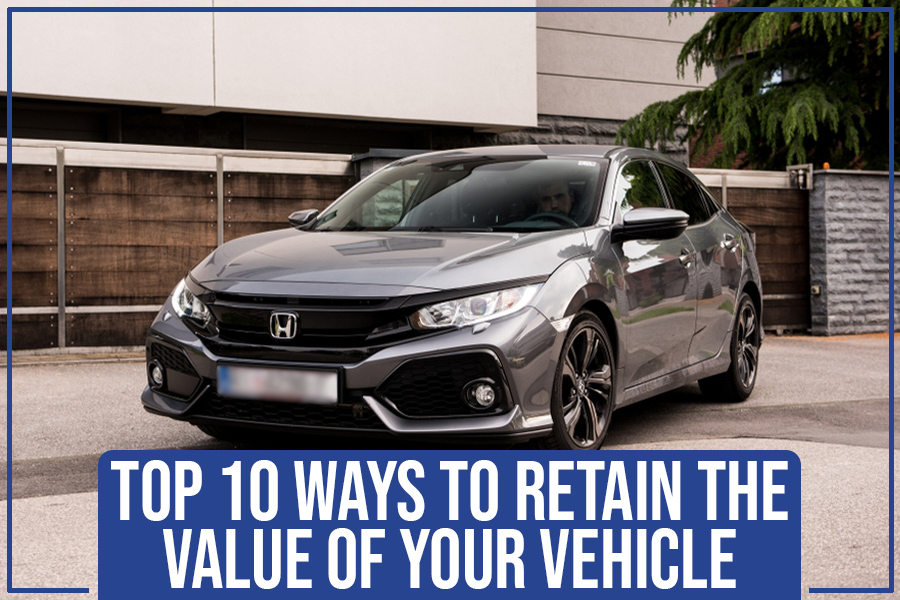
Top 10 Ways to Retain the Value of Your Vehicle
Key takeaways:
- It’s no secret that a new car loses 20{60302a704289ffbf97a4812255a0bc8a6f23097845ce08f1b9000776917131c2} in value as soon as it drives off the lot. But there are a few ways to retain its value.
- Regular maintenance is key. This means keeping up with your oil changes, tune-ups, and other scheduled servicing.
- Avoid getting into accidents, but also avoid dings and scratches. A small ding can decrease the value of your car significantly.
- Keep it clean, both inside and out. A well-maintained car will always look newer than a neglected one.
- Don’t modify your car. If you must, only do so in ways that can be easily undone.
It’s no secret that depreciation is one of the biggest costs associated with owning a vehicle. The average car loses around 49{60302a704289ffbf97a4812255a0bc8a6f23097845ce08f1b9000776917131c2} of its value in the first four years. Fortunately, there are ways to retain the value of your vehicle and minimize depreciation. This blog post by Lake Elsinore Honda will discuss some of the best methods to retain the value of your vehicle. Keep reading to learn more!
Way 01: Be A Smart Shopper
The less money you invest upfront, the less money you stand to lose over time. Sounds straightforward, but securing a fair price at the beginning is crucial to prevent losing a lot of money on a car.
Make sure you’re paying as near the invoice as possible by doing your homework, calling a buddy who knows a lot about cars, using a broker, or using a car-buying service. Consider things like the make, model, and year of the vehicle. The good deal you get now will be repaid when you sell it at market value later.
Way 02: Choose Your Parking Spot Wisely
Door dings, bumper scratches, and fading plastics, which are like wrinkles on the face in that they will occur regardless, will reduce the value of your vehicle. However, you can minimize these imperfections by parking far from other vehicles and selecting open spaces in the outer regions of parking lots as frequently as possible. If there are no available side-by-side stalls, select a parallel place near the end of the row so that your automobile is less exposed to passing or turning cars.
You can also preserve your car’s value by parking it in a garage away from the harsh effects of the sun and ice.
Way 03: Keep an Eye on Your Mileage
The number of miles on your car will also affect its value. The lesser the mileage, the greater the value, but once your car hits 100,000 miles, it depreciates faster.
It will add up quickly if you regularly drive a lot for work or long distances. You can limit the wear-and-tear on your car by carpooling, taking public transportation, or planning your errands to make fewer trips.
Way 04: Protect Scratch- And Wear-Prone Areas
The external paint job of a car plays a major role in its value. To maintain its value, you’ll want to avoid scratches and chips by being careful when you park and driving defensively.
The front end of the automobile is particularly prone to excessive wear. Choose a transparent plastic shield installed by the dealer or an aftermarket shop to lessen corrosion and damage from rock chips. Instead, give other areas that experience wear and tear—such as the area in front of the rear tire, the door sill, and the top of the rear bumper—some thought by adding some carbon fiber tape or black vinyl wrap. Remove the wrap or replace it when it’s time to sell. Mudguards also aid in reducing the accumulation of dirt on the paint.
Way 05: The Inside Counts; Avoid Eating and Smoking Inside the Vehicle
It is not easy to keep the inside tidy, especially in the winter. However, routinely shaking out the carpets, clearing the trash, and occasionally wiping the dash will keep the inside looking new and maintain your respect for the interior.
We all know the perils of eating and drinking in the car—spills happen. And smoking not only leaves an unpleasant smell and causes discoloration on upholstery, windows, and the ceiling. If you must consume food and beverages in your car, use a coaster and a closed container to prevent surface condensation.
Way 06: Protect Those Shiny Tires and Wheels.
Your car’s tires and wheels take a beating every time you hit the road. Over time, they can become scratched, dull, and chipped. To keep them looking their best, regularly clean them with soap and water (or a tire cleaner if they’re particularly dirty).
Keeping your tires and wheels in excellent condition will make your car look nicer and help retain its value. After all, new tires and wheels are one of the first things potential buyers will notice when considering your car.
Way 07: Wash and Wax Regularly
Don’t wait for a lovely day to wash your Honda, just as you wouldn’t wait for a great day to clean the home. In warm weather, do it twice a month, either by hand with special vehicle soap (not dish soap, which destroys wax), and in winter, when a weekly wash is preferable, pick a self-spray or touchless car wash. Stay away from vehicle washes that employ rotating or tumbling scrubbers since they will undoubtedly damage the finish, especially after repeated usage.
Additionally, adding a coat of wax twice a year can do wonders for your car’s paint job. Not only will it make it look shiny and new, but it will also help protect the paint from scratches, bird droppings, and other environmental hazards.
Way 08: Keep All the Records
Keep all the records of your car’s maintenance. This will help in two ways; first, it will remind you to keep up with the maintenance, and second, it adds value to the car when you go to sell because prospective buyers will be able to see that you have taken care of the car.
Ways 09: Fix Scratches and Dents Immediately
When little dings or dents do occur—whether by accident or due to someone who admitted their guilt—have them fixed as soon as possible. Hire professionals to do this job, as they have the expertise to turn a disaster into its original shape.
Don’t wait too long; repair them as soon as they appear because one dent may turn into two, then into four, and before you know it, you’re losing respect for your vehicle, which only encourages carelessness and a decrease in value.
Way 10: Do Not Drive Recklessly
We all love the wind in our hair (or through whatever hairstyle you have), but driving too fast not only endangers your life and the lives of others but also takes a toll on your vehicle.
Reckless driving damages your car’s suspension, alignment, and tires. Over time, this will lead to costly repairs. Therefore, decreasing your car’s value.
Ending Note:
When the time comes to sell your automobile to the next buyer, if you follow these few tips while you still possess it, you might be able to receive more money for it.
Trust Lake Elsinore Honda, serving Winchester, CA, with your routine maintenance!
We do all types of Honda servicing and maintenance work efficiently and promptly. We only use original Honda components to make sure your car keeps running as it should.
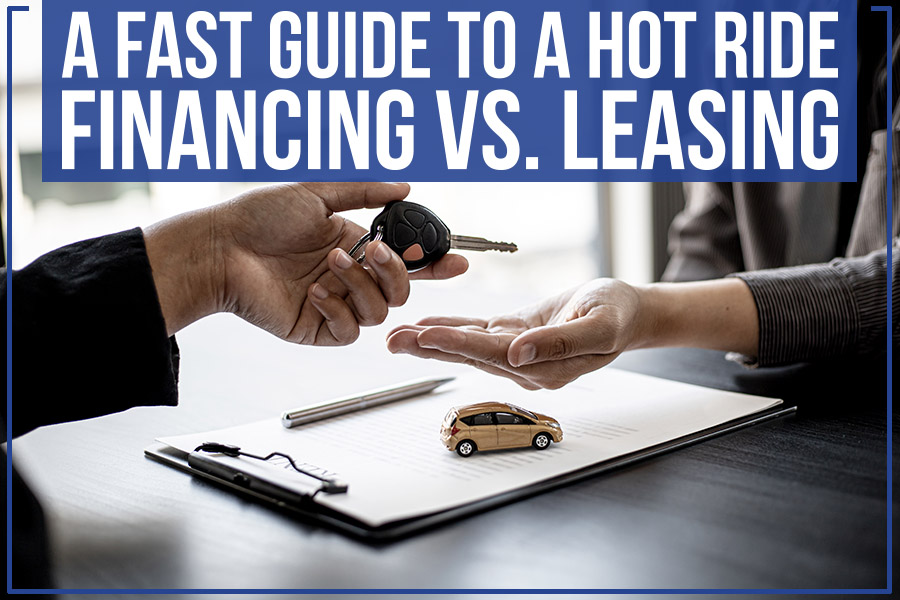
A Fast Guide to a Hot Ride: Financing vs. Leasing
Key Takeaways:
- When it comes to leasing or financing your next automobile, there are a few things to consider. The kind of car you want, your driving habits, and your budget are three crucial factors to consider.
- If you like to have a new vehicle every few years and aren’t concerned about making monthly payments without owning the automobile, leasing is an excellent alternative.
- Aftermarket customization is a great way to personalize your car, but it can be expensive. Financing lets you spread the cost of ownership and customizations over time, so you don’t have to pay for everything all at once.
- Do your homework and compare prices from several dealerships before deciding. Also, be sure to inquire about rebates and interest rates!
- Lake Elsinore Honda is a car dealership offering car financing services to customers in Menifee, CA, and the surrounding areas.
When you’re looking to buy a car, one of the first decisions you’ll need to make is how to finance it. Do you want to lease or buy? It can be a tough decision, and both options have pros and cons. Lake Elsinore Honda will break down the differences between financing and leasing so you can make the best choice for your needs.
Leasing a Car
In car leasing, you pay only for the privilege of using it for a set duration and miles. Know the differences between leasing and financing. If you obtained the same automobile under a loan, your monthly lease payments are typically lower than your monthly loan repayments.
A car lease is essentially renting for a specific time. The price includes an estimation of the depreciation and additional fees like taxes and insurance. Some agreements allow you to purchase the car at a discounted rate after the lease is up.
Factors to Consider Before Leasing Out
There are several factors to check before signing a lease for a car, such as:
Annual Mileage
In most cases, the typical mileage limitation in standard leases is 15,000 or less per year. A higher limit can usually be obtained, but it raises the monthly payment. That’s because a vehicle’s value degrades over time. You’ll almost certainly be charged a fee if you exceed the yearly mileage limit.
Lease Terms
When renting a car, you are responsible for any wear and tear, lost equipment, and necessary repairs incurred during your rental. When servicing the automobile, you must follow the manufacturer’s recommendations and ensure that your insurance is up to date. You may be subjected to a hefty early termination charge if you quit your lease early.
Click here to learn more about car leasing.
Dealership Car Financing a Car
When you finance a car through the dealership, you sign a contract agreeing to pay off the loan amount plus interest over time. The dealer usually sells this contract to a bank or financial institution, which will manage your account and collect your payments.
Special Programs
Dealers occasionally run special promotions for the manufacturers. The lender may have limitations on the cars they’ll finance, such as a higher down payment or a shorter loan term. You might be able to participate in these programs if you have a good credit history.
Shop For The Best Financing Car Deal
Comparing when buying a car is essential to understand what each dealer or lender offers. The total amount you’ll spend on your vehicle will be the combination of the purchase price, APR, and how long it takes to pay off the loan.
While loans with longer terms (e.g., 72 or 84 months) from most creditors can lower monthly payments, they also come with high-interest rates. In addition, long-term loans are often more expensive overall.
When you purchase a new car, it devalues quickly. If you’re looking at long-term financing options, be aware that your monthly payments could exceed the vehicle’s worth. Also, please read our blog on the advantages of buying a used Honda over a brand-new one.
Some purchasers and lenders may demand that you get credit insurance to ensure the loan is repaid in case of your death or incapacitation (God forbid). Consider how much it will cost before making a decision. Examine whether any existing insurance coverage provides equal protection. While credit insurance is not required by federal law, it may be helpful in certain situations. The lender should not deceive you into taking credit insurance without your consent. If your dealer proposes to give you credit insurance as part of a vehicle loan, it must be written in the agreement.
Verify with the dealer regarding:
-
Auto Add-Ons
Remember that add-ons never come free of charge. You must purchase additional items and finance in tandem with your car. Some examples of common add-ons include gap insurance, window etching, extended warranties, and service contracts. Please don’t hesitate to inquire about what it is you’re buying. You should know precisely what fees you’ll be paying, and dealerships should not pressure their customers into opting for extras or add-ons that they don’t need. You can close the best deal possible on your car by being assertive and looking out for your interests. If the dealer tries to add any optional extras, make sure to get a quote first. It will give you confidence about how much the car will cost if you’re financing it. It’s also important to ask about the terms that might apply to those extras. Exclude them from the deal if they are not as beneficial as you initially thought.
-
Manufacturer Incentives
Dealer incentives, for example, lower finance rates or cash back on particular makes or models, are beneficial. Consult with your dealer if the car you want has any advantageous financing deals. A written statement from the dealer is recommended before continuing to stress-freely ascertain that these sale prices aren’t determined by factors such as credit score, among other things.
-
Rebates, Discounts, or Special Prices
If you’re interested in a specific automobile, check whether you qualify for any current incentives. Dealers who give rebates, discounts, or special pricing must know the requirements to take advantage of them. Check the small print to see if there are limitations on the offer. You may be required to be a recent college graduate or join the military, and your recommendations only apply to specific vehicles. Always ask if rebates have been included in the price or terms you’re offered, and get this information in writing.
-
Contract Terms & Conditions
Before signing a car dealer’s contract, ask about applicable conditions. You should also check if the terms of the agreement are final and authorized before you commit to anything. Be careful when signing contracts so you don’t get in a bad situation.
Need Dealership Car Financing Services in Menifee, CA? No Problem!
At Lake Elsinore Honda serving Menifee, CA, we always have your best interest in mind. Not only do we offer dealership car financing with special programs for military personnel and students deals, but you can also customize your contract terms to suit your needs better. In addition, our weekly specials are not to be missed! So apply now, and let us help you drive away with the well-protected vehicle.
Key takeaways:
- Antifreeze is a concentrate based on ethylene glycol.
- Engine coolant is essentially diluted antifreeze.
- Both work to lower your car’s freezing point and raise its boiling point.
- Antifreeze offers a lower freezing point than a 50/50 coolant mixture.
- Engine coolant is more suitable for mild year-round temperatures.
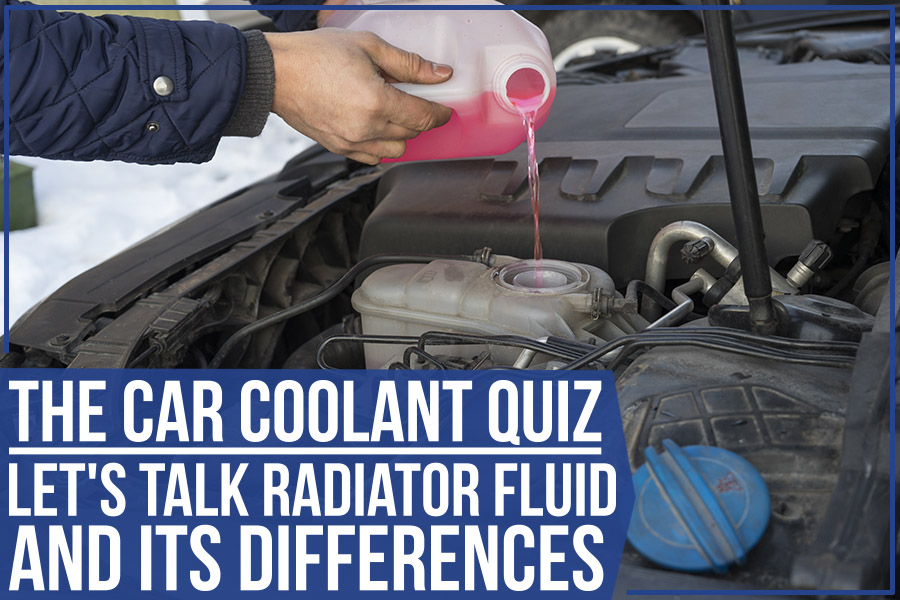
Radiator fluid, engine coolant, and antifreeze. These are all terms passed around interchangeably to describe the liquid used in your car’s radiator to keep the engine cool. However, there are some variations between them that you should be aware of.
This blog post will delve into the ins and outs of coolant and antifreeze and help you decide which one is the best fit for your car!
What Is Antifreeze?
As you can probably guess, this fabulous fluid got its name because it helps to prevent the liquid coolant from freezing inside your engine, blocking the radiator fluid circulation, & damaging it in cold climates!
How does it do this? Antifreeze lowers the freezing point of water, which means it can still circulate through your radiator and keep your engine cool even when the temperature outside is below freezing. It also raises the boiling point of water, which prevents the coolant from turning to steam in the engine’s cooling system in hot weather.
Antifreeze is usually sourced from ethylene glycol and typically comes in bright green (although it can also be yellow, pink, or blue depending on the technology used). You can find it at any auto parts store; most mechanics will use it when they service your radiator.
What Is Engine Coolant?
Contrary to popular belief, engine coolant isn’t a separate fluid from antifreeze. Specifically, it’s antifreeze distilled with water and some other ingredients, like rust inhibitors. The mixture is usually about 50/50, give or take a few percentage points.
This fluid type cools your engine by running through radiator hoses and then back. The radiator contains metal fins that help to dissipate the heat before the fluid returns to do its job all over again.
Like with antifreeze, you can find engine coolant at any auto parts store or from most mechanics.
Why Use Antifreeze for Coolant?
Now that we know what antifreeze consists of, let’s look at why it’s used as radiator fluid.
The primary component of antifreeze is ethylene glycol, which has a low freezing point. This means that the concentration won’t freeze in cold weather, no matter how low the temperature outside is.
This is important because if the radiator coolant were to freeze, it would expand and cause the radiator to crack. In extreme cases, a cracked radiator can cause your engine to fail.
Antifreeze also has a high boiling point, which is vital because the fluid must withstand high temperatures without boiling over.
If this concentrate were to boil, it would leave your engine vulnerable to overheating.
Why Use Engine Coolant?
The distilled version of car coolant comes in different ratios, all designed to protect your radiator and engine in different ways.
The most common ratio is 50/50, a mix of 50{60302a704289ffbf97a4812255a0bc8a6f23097845ce08f1b9000776917131c2} distilled water and 50{60302a704289ffbf97a4812255a0bc8a6f23097845ce08f1b9000776917131c2} antifreeze concentrate. This radiator fluid offers the best protection against freezing and boiling. In a weird contradiction of its name, antifreeze has a higher freezing point than its distilled counterpart.
Therefore, it can protect your engine from freezing over in cold weather when mixed in the radiator.
Engine coolant is also ideal for protecting your radiator and engine from corrosion. This superb solution creates a barrier between the metal surfaces of your engine, preventing rust and other forms of degradation.
Antifreeze or Engine Coolant?
While they’re not precisely separate entities, antifreeze and engine coolant do have some key differences. And the question arises: when is the best time to use pure antifreeze, and when is it best to use engine coolant?
As with most car-related things, the answer is “it depends.” In general, a higher ratio of antifreeze will be a better choice in colder weather, while less will be better in hot weather.
However, in a city like Murrieta, where summers are hot and winters are mild, you might be better off using a 50/50 mix of antifreeze and engine coolant all year round. With this solution, you get the benefits of both fabulous fluids without worrying about changing them every time the seasons change.
If you’d like some more info on battling steamy overheating with coolant, Forbes offers valuable insights.
When Should I Change My Radiator Fluid?
While regular checkups should give you a clear idea of when your radiator coolant needs to be changed, most mechanics suggest changing it every 30,000 miles.
That said, let’s run through some signs that it might be time for a radiator fluid change sooner than that.
No. 1: Gauge Game
Your car’s temperature gauge is one of the easiest ways to know when you need a new radiator coolant. If it starts to inch closer to the hot end of things, that’s a sign that your radiator isn’t doing its job as well as it should be.
No. 2: Puddle Problem
Orange or green fluid pooling underneath your car shows a big fat fluid leak. Not only does this mean you’re low on coolant, but it could also be a sign of a bigger problem. Check the hoses connecting your radiator to your engine for any cracks or leaks and get them fixed as soon as possible.
No. 3: Not the Daily Grind
Grinding noises coming from under your car’s hood could spell radiator trouble. If your radiator fails, the metal components will start to break down and grind against each other. This noise will get louder and more frequent the longer you wait to fix the problem.
No. 4: Rusty Wreck
Does your coolant show a brown or rusty color? It’s time to change it. Coolant should be a bright color, so if you’re seeing anything else, it indicates that your radiator is rusting on the inside. This could lead to a significant failure down the road, so don’t wait to get it checked out.
No. 5: Bittersweet Bomb
Maple syrup belongs in pancakes, not emanating from your car. If you notice this scent, your radiator fluid has leaked and is now mixing with the engine oil. If left unchecked, this will cause extensive damage to your engine, so take it to a mechanic as soon as possible.
Conclusion
Car coolant and its types might not be everyone’s favorite topic, but it’s essential to be informed. Radiator fluid is key to keeping your car running smoothly, so make sure you know what kind you need. If you’re not sure about getting your coolant right, perhaps Lake Elsinore Honda, dedicated Honda dealership serving Murrieta, CA, can help!
If you’d like to know more about engine maintenance, check out our blog on avoiding engine overheating.
As always, we’re proud to serve Murrieta, CA, with radiator services and beyond.
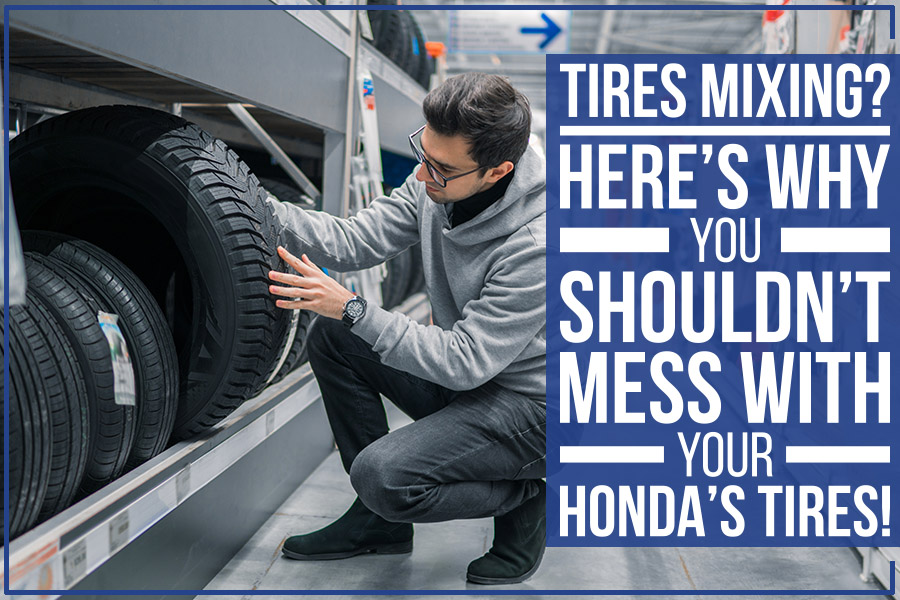
Like most Honda owners, you want to do everything possible to maintain your vehicle’s performance and extend its life. That’s why getting the right Honda tires is important! Many factors help select the right tires, from the type of driving you do to the climate where you live.
This post will explain some of the key things you need to consider when choosing new tires for your Honda.
Should You Use Different Tires?
The answer is a resounding no! You should not use different tires on your Honda. Mixing different types and sizes of tires on your vehicle can cause several problems, including:
* Uneven wear – Different-sized tires will wear at different rates, meaning you’ll have to replace them sooner than if you had four matching tires.
* Imbalance – Mixing tire types can throw off the balance of your vehicle, making it harder to handle and more likely to experience a blowout or other tire-related problem.
* Decreased fuel efficiency – The added weight of different-sized tires can decrease your fuel efficiency, costing you more money at the pump.
* Poor traction – Tires not meant to be mixed can cause poor traction, making driving more difficult in inclement weather or on off-road surfaces.
Choosing the Right Honda Tires
Choosing the correct tires for your Honda is important for numerous reasons.
- Width: The width of the tire is important. You want a wide tire to provide good traction and stability, but not so wide that it negatively impacts fuel efficiency or makes the car difficult to handle.
- Height: The tire’s height is also important for traction and fuel efficiency. A taller tire will provide better traction in off-road or inclement weather conditions, increase drag, and decrease fuel efficiency.
- Type: The tire you choose should be based on how you intend to use your vehicle. An all-terrain tire would be good if you plan to do much off-roading. If you want a good tire in all weather conditions, then you would want to choose an all-season tire.
- Load Index: It’s a number that indicates how much weight the tire can support. If you overload your tires, it can cause them to fail.
- Speed Rating: It’s the maximum speed at which the tire can safely travel. If you exceed the tire’s maximum speed, it can cause it to fail.
- Treadwear Warranty: The treadwear warranty is the time the tire manufacturer guarantees the tire will last. It can give you an idea of how long the tire will last.
If you choose the wrong tires, they may not be able to handle the weight of your Honda, they may not be able to go the speed you want to travel, and they may not last as long as you expect them to. Therefore, always purchase the right Honda tires.
Even if you didn’t purchase your Honda from Lake Elsinore Honda, serving Wildomar, CA, we would still be happy to help you with all your tire needs!
We offer competitive pricing, and our friendly experts will answer any questions you may have. So if you need new tires or tire services, ensure to bring your Honda into Lake Elsinore Honda!
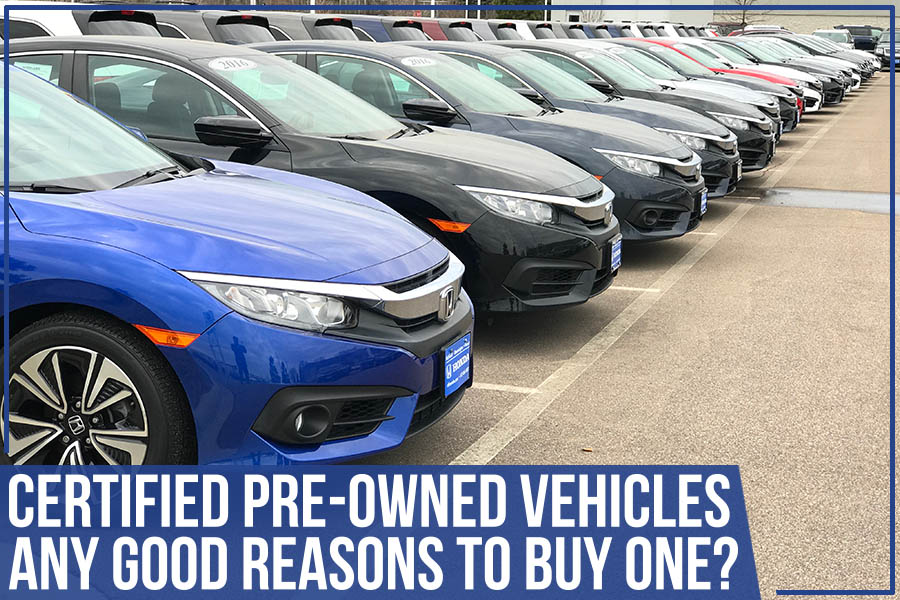
People have their respective reasons for wanting to buy a pre-owned vehicle. Maybe they’re looking for a great deal on a car or don’t want the hassle of a new car’s monthly payments. Whatever the reason, second-hand car buys are becoming increasingly popular, among which certified variants are taking over the markets.
If you’re contemplating buying a certified pre-owned Honda and whether it is the right choice, Lake Elsinore Honda will tell you all you need to know.
What Are Certified Pre-Owned Vehicles?
When a car is sold as certified pre-owned, it is a used vehicle that has undergone an extensive inspection process and comes with certain warranty coverage, roadside assistance, and other benefits.
Certain aspects must be met by certified pre-owned vehicles before earning the distinction. Let’s see what these are:
– The car must be less than six years old.
The age of a car is an essential factor in considering it certified pre-owned. A CPO car is no more than six years old from the date of manufacture. This six-year limit ensures that the used Honda is still relatively new, which means it will likely have fewer miles and be in better condition overall.
– The car must have less than 80,000 miles.
CPO cars must also meet specific mileage criteria. The vehicle cannot have driven more than 80,000 miles, which is about average for a car over six years. However, not all CPO cars have this low mileage, and if you’re lucky, you can even find one with lesser miles on the road – practically new.
– It must have a clean title history with no major accidents or damage.
When you buy a used car, you want to ensure the title is clean and that there are no accidents or significant damage in the car’s history. With a CPO car, you can be sure that the vehicle has been thoroughly examined and repaired.
– The car must pass a multi-point mechanical and appearance inspection.
The dealership you’re buying it from will want to ensure the car is in excellent condition before they certify it. This means a certified pre-owned vehicle should look and feel like a new car and drive one.
– The warranty must be backed by the manufacturer.
The greatest perk of buying a certified used Honda is that the manufacturer backs the warranty. In case of any pre-existing damage or problems with your car, you know that the dealership covers you.
Should You Buy a CPO Vehicle?
Returning to our initial question, is buying a certified pre-owned vehicle worth it? We think so! If you’re considering buying a used car, we highly recommend going for one certified by experts.
If you’ve made up your mind, Lake Elsinore Honda, serving Woodcrest, CA, can help. We are a reputable Honda dealership with endless used car options. Our CPO & used car inventory has all models from different years, so you’re sure to find the perfect pre-owned vehicle once you get around to visiting our dedicated Honda dealership.
Do get in touch with us for more special details on our CPO vehicles!
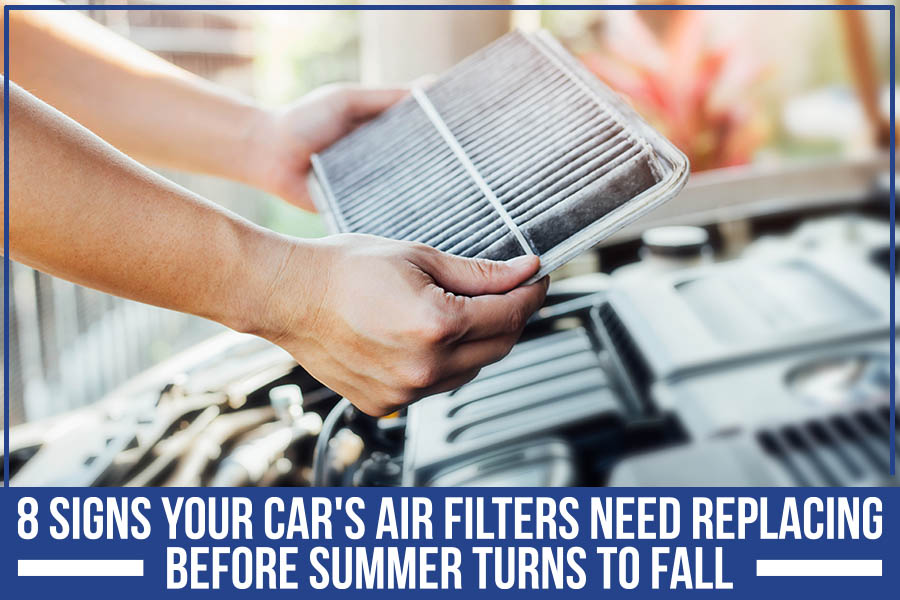
The summer heat is brutal, and there’s nothing worse than getting into a car that’s been baking in the sun. And then you find out your car’s AC has just bailed out on you because of a stuffy cabin filter. If your car’s air filters need replacing, you’ll definitely feel it!
Here are eight signs that your car’s air filters need to be replaced before summer hits full force.
Sign # 1: You Hear Unusual Engine Noises:
If you hear strange noises from your car’s engine, it could indicate that the engine air filter is dirty and needs to be replaced. A dirty air filter can obstruct the engine’s airflow, resulting in many issues.
Sign # 2: Your Car Is Having Trouble Accelerating:
Another sign that your car’s air filter may need to be replaced is if you notice a decrease in performance when accelerating. A dirty air filter might make it difficult for your car to get the air it needs, causing a loss in power.
Sign # 3: Your Fuel Efficiency Has Decreased:
If you’ve noticed that your car isn’t getting as good of gas mileage as it used to, a dirty air filter may be to blame. When the air filter is clogged, your car must work harder to get the same amount of power, which can use more fuel.
Sign # 4: Your Engine Feels Rough While Idling:
One final sign that your car’s air filter may be dirty is if the engine feels rough when idling. A clean air filter helps to ensure a smooth ride, so if your car vibrates excessively, it’s probably time for a replacement.
Sign # 5: Allergens And Dust:
If you or your passengers have noticed an increase in allergies or dust in the car, it’s a good idea to check the cabin air filter. A dirty air filter can cause all sorts of problems, and it’s not worth risking your health (or your car’s performance) by putting off a replacement.
Sign # 6: Your Check Engine Light is On:
This one may seem obvious, but it’s worth mentioning. In case you notice that your car’s check engine light is on, there’s a good chance that the engine air filter is dirty. Many contemporary automobiles have sensors that tell when to replace the air filter. So if you see that warning light, it’s time to take your car to the shop.
Sign # 7: Your Spark Plugs are Dirty:
It is another easily overlooked sign, but it’s important to pay attention. If your car’s spark plugs are carbon-fouled, it could indicate that the air filter is blocked and needs to be replaced. To check your spark plugs, remove them and take a look. If they’re covered in black gunk, it’s time for a new air filter.
Sign # 8: Your Car Won’t Start:
It is a more serious sign that your car’s air filter needs to be replaced. If the air filter is so blocked that it prevents air from getting to the engine, your car won’t start. Usually, it’s a very easy fix – replace the air filter, and you should be good to go.
Conclusion:
It’s not too late to get your car ready for summer. And if you need a car dealership near Moreno Valley, CA, check our services at Lake Elsinore Honda, serving Moreno Valley, CA. Also, be sure to browse our inventory of new and used cars.
We’ve got something for everyone, so don’t wait – call us today!
8 Tips For Safe Driving During A Downpour
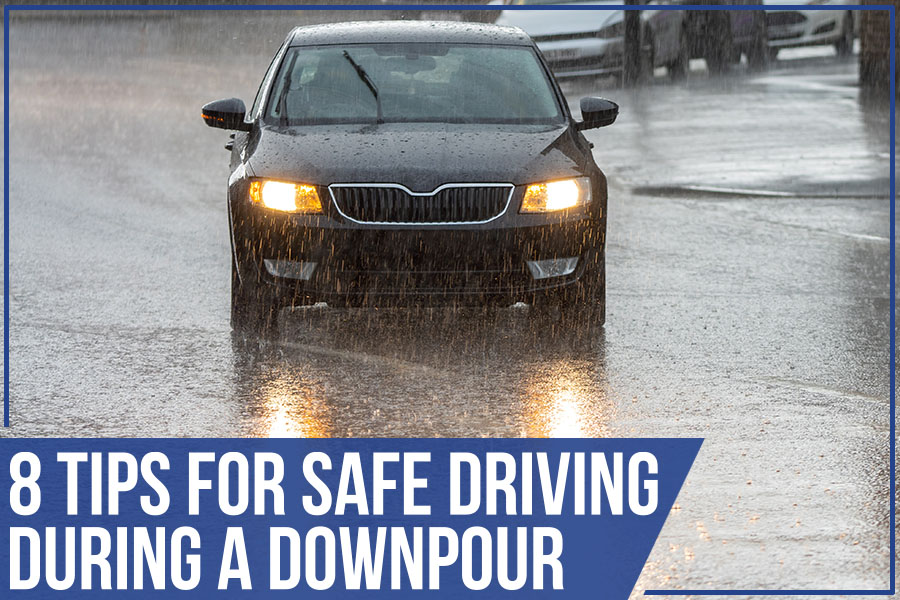
The sound of rain tapping against your windshield can be therapeutic, but driving in heavy rain can be dangerous. Especially if you have bald tires, a flawed engine, an unguarded exhaust, or even bad brakes – there is so much that can go wrong!
Driving when it rains is never fun, but it’s something that we all have to do from time to time. You can do a few things to stay safe if you’re stuck in a storm or heavy rainfall. Lake Elsinore Honda, your buddy auto dealership serving Temecula, AL, brings you the following tips:
1. Drive With Your Headlights On
We may not need to remind you of this, but it’s still worth mentioning. You’d be surprised how many people forget to turn their headlights on when driving in heavy rain. Headlights aid you in seeing the road ahead and make it easier for other drivers to see you.
2. Slow Down
It’s tempting to want to get where you’re going as quickly as possible when it’s raining, but it’s essential to take things slow. Driving too fast makes it more challenging to see and can increase your chances of automobile accidents.
3. Be Careful of Puddles
Puddles can be deceiving – they might look shallow, but you never know how deep they really are. Driving hastily through a puddle can cause water to splash up and cause engine damage if it seeps in.
4. Use Your Windshield Wipers
Windshield wipers are a necessity you cannot forego when driving in heavy rain. They help you see by clearing away the water on your windshield, so ensure you are using them correctly.
5. Keep Your Distance
Due to the lack of friction, it takes longer to stop driving on a wet road, so you must leave enough space between you and the car in front. This will help you avoid rear-ending someone or getting into an accident.
6. Don’t Drive Through Flooded Roads
This is a dangerous mistake many drivers make. It only takes a foot of water to float most cars, and two feet of rushing water can sweep away almost any vehicle. So, if you see a flooded road ahead, turn around and find another route.
7. Check Your Tire Pressure
Tire pressure drops about 1 PSI (pound per square inch) for every 10-degree drop. When it’s cold outside, your tires are more likely to be underinflated, which can cause a blowout. Make sure your tires are appropriately inflated before heading out in wet weather.
8. Avoid Using Cruise Control
In slippery conditions, it’s best to avoid using cruise control. If your wheels start to spin, cruise control will keep them turning, leading to losing control. You’re better off driving without it.
Conclusion:
Following these simple tips on driving in heavy rain can help you stay safe on the road when there’s a heavy downpour.
If you’re looking for an auto dealership in Temecula, AL, visit us. At Lake Elsinore Honda, we will help you find the perfect car for your needs. With our Honda inventory of new and used vehicles, you’re sure to find what you’re looking for.
We also offer financing options and service center assistance. Contact us today to learn more!
Lousy Car Radiator: Signs, Symptoms, and Lifespan!
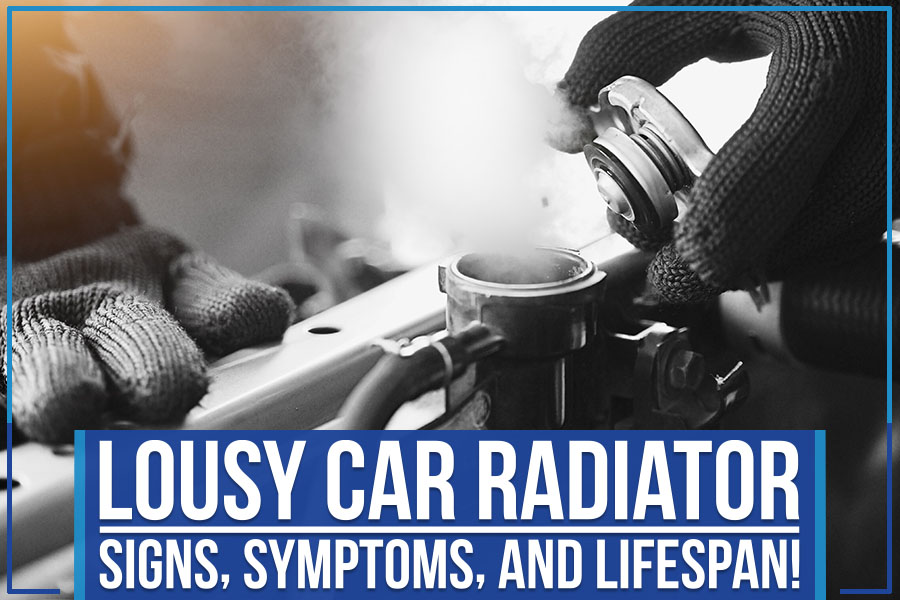
A radiator is a critical component of your car’s heating and cooling system. When it begins to malfunction, you may experience several problems with your vehicle. In this blog post, we’ll discuss the signs and symptoms of a bad radiator and the expected lifetime of the car part. Keep reading to learn more!
What Are the Functions of a Car Radiator? –
Your car’s radiator has two main functions: to keep the engine cool and to help regulate the temperature of the car’s cabin. The radiator is made up of a series of metal fins that are connected to a series of tubes. These tubes contain coolant, which circulates through the engine to absorb heat. The coolant then moves through the radiator, cooled by the air passing through the fins.
The Symptoms of a Bad Radiator? –
Several signs may indicate your car’s radiator is not functioning properly. If you notice such issues, you must take your car to a mechanic as soon as possible for diagnosis and repair.
-
Overheating Car Engine –
Insufficient cooling causes increased friction in the engine, which in turn causes the engine to overheat. Suppose your car’s engine is running hotter than usual. In that case, it may indicate that the radiator is not adequately cooling the coolant.
-
Coolant Leaks –
Another sign of a problem with your car’s radiator is coolant leaks. It is likely coolant if you notice any green or orange fluid leaking from your car. Coolant leaks are usually the result of a leak in the radiator or a system clog preventing the coolant from flowing properly.
-
Clogged or Damaged Radiator Fins –
The radiator fins are the metal vanes that surround the radiator core. These fins help to dissipate heat and protect the radiator from damage. If the fins are damaged or clogged, it can prevent proper cooling.
-
Transmission Issues –
If your vehicle’s transmission cooler is linked to its central cooling system, it can face transmission problems during a leak. The leak in the cooling system causes a mixture of incompatible fluids, ultimately resulting in a transmission failure.
-
Check Engine Light is On –
Very few radiators or car damage signs will be complete without the mention of a check engine light. The check engine light is a tell-tale sign of something wrong with your car. If the radiator leaks, it can set off the check engine light.
What is a Radiator’s Expected Average Lifespan? –
The average lifespan of a car radiator is between 60,000 and 80,000 miles, while many can function even beyond 100,000 miles. However, this number will change based on how well you care for your car and its radiator. You can extend the lifespan of your car’s radiator by properly maintaining it.
You may be experiencing some car radiator issues and not even know it. The signs of a lousy radiator are easy to spot if you know what to look for. If you’re experiencing any car radiator issues we’ve listed, don’t wait- bring your car in for a replacement radiator as soon as possible.
Please schedule an appointment with Lake Elsinore Honda, serving Riverside, CA, today and let our team take care of everything for you!
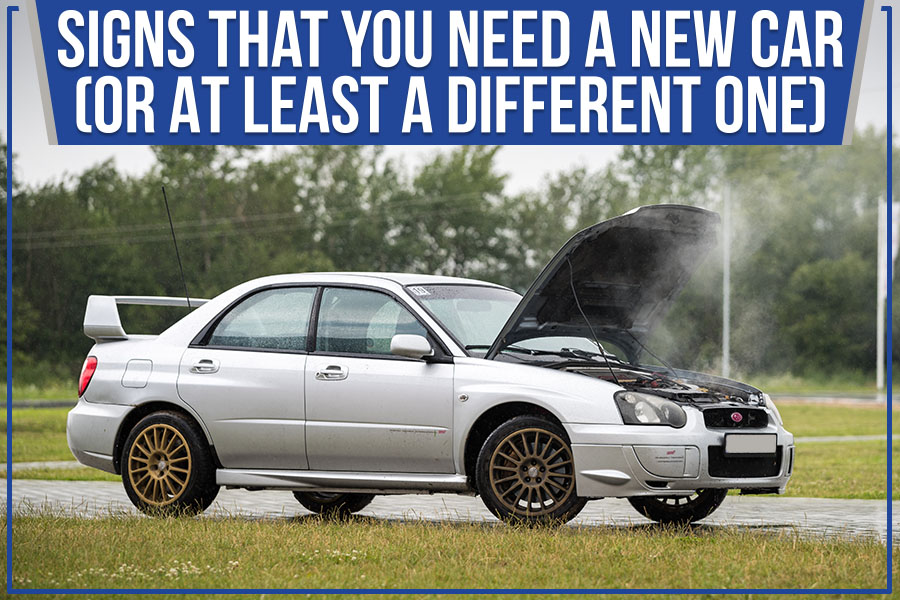
Do you love your car? Or are you just kind of “meh” about it? Has your car become a money pit? Are you driving the same car as you were five years ago? Whether it’s an aging sedan or a well-worn pickup, chances are good that your vehicle could use an update.
Here are some compelling signs that it might be time for a new car—or at least a different one.
Your Car Breaks Down Too Often:
It’s typical for a car to experience a breakdown from time to time, especially if it is old. A flat battery, an empty engine oil reservoir, and snapped clutch cables are all frequent causes of car failure. In most cases, a mechanic can quickly remedy these issues.
But if your car breaks down constantly, it might be a sign that it’s time for a new car. If you’re spending more time in the garage than on the road, it might be time to switch to a new Honda model.
Your Car is Overheating:
A faulty radiator, leaking head gasket, or low coolant levels can all cause your car to overheat. If you observe your car’s temperature gauge climbing higher than usual, it’s time to take your vehicle to the mechanic.
While low coolant levels are an easy fix, a faulty radiator or leaking head gasket will require more extensive repairs. Regularly replacing significant parts like a radiator and head gaskets can become expensive, so you might want to upgrade to a new Honda model.
Your Car Has Become a Gas Guzzler:
Do you have to refuel your sedan more often than you used to? If your car is guzzling gas, it could be due to several issues. A dirty air filter, for example, can restrict airflow and reduce fuel efficiency. Driving with a heavy foot can also lead to poor gas mileage.
Consider upgrading to a new Honda model if you’re tired of shelling out your monthly paycheck on gas. The new Honda Civic sedan models like the 2021 EX trim comes with an EPA-estimated 32 mpg in the city and 42 mpg on the highway, so you can feel good about saving money and being eco-friendly.
Past the Miles Per Gallon Limit:
Most cars these days can last up to 200,000 miles with proper maintenance. However, once you pass 75,000 miles, you start to see a significant increase in car problems. Your car might need more repairs, and the parts might be harder to find since they’re no longer in production.
Once you hit the 6-figure mark, it’s probably time to start looking for a new car. Past 100,000 miles, your vehicle may face combustion chamber turbulence, coolant corrosion, and issues with the electrical system. It will become more of a financial liability than an asset.
Final Thoughts:
Upgrading to a newer car is an exciting experience. You need a guide to help you make the best decision for your needs. Our experts at Lake Elsinore Honda, serving Hemet, CA, can help you find the perfect car for your budget and lifestyle.
You can also check out our inventory of new Honda models to find the perfect fit for you.
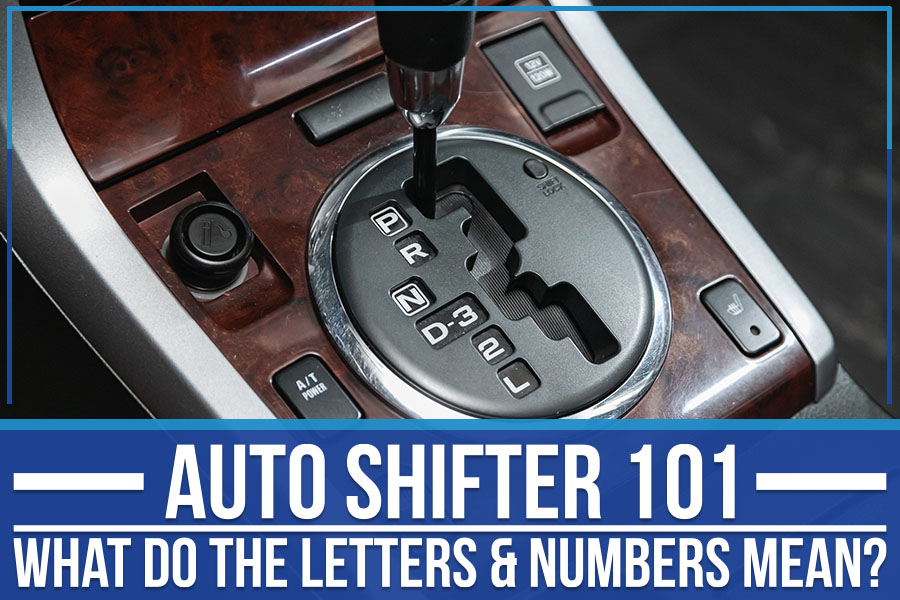
Whenever you’re considering buying a car, there are a lot of acronyms and jargon that you need to be familiar with to make an informed purchase. One such acronym is “AT.” AT stands for automatic transmission, which is the most common type of transmission found in cars today. But that’s not all. An automatic gear shifter contains different letters for different purposes. What does it mean? What are the different gear letters, and what do they signify?
In this blog post, we’ll break down everything you need to know about automatic gear shifter letters so you have the essential gear knowledge when buying an automatic car. Also, visit Lake Elsinore Honda if you plan to buy an automatic car. We offer exceptional deals on new and used Honda cars. Read on!
Importance of Automatic Gear Shifter
When you’re driving an automatic car, the gear shifter contains different letters that are all important. You can’t just ignore them because they’re there for a reason. The whole point of having letters on the gear shifter is to notify the driver about the car’s position and what gear it’s in.
What Do the Letters Mean?
These letters usually denote five positions: park, reverse, neutral, drive, and low. Let’s look at each one, so you know what they mean and when to use them.
P Gear
This position is only used when you want to park your car and turn off the engine. It’s crucial to note that you should only move the gear shifter in P gear when the vehicle is stopped. You’ll know it’s in park because a locking mechanism will engage and prevent you from moving the gear shifter out of this position.
R Gear
As you might’ve guessed, this position is only used when you want to put your car in reverse. Again, your car must be stopped entirely before moving the gear shifter into reverse.
N Gear
Neutral is a funny position because it doesn’t do anything. When your vehicle is in neutral, the engine is running, but the car itself isn’t moving. This position can be helpful if you need to coast for a bit or if you want to rev the engine without actually going anywhere.
D Gear
It is the position you’ll use most often. Drive is used when you want your car to move forward – it’s self-explanatory.
L Gear
Low gear is used when you need extra power. This position is often used when driving up hills, towing something heavy, or moving through uphill roads since it requires more torque and less speed.
Now that you know what all the letters on your car’s gear shifter mean, you can be confident that you’re using it correctly. Lake Elsinore Honda serving Corona, CA, is an authorized Honda dealership and service center that can help you with your car needs. If you’re looking for automatic cars for sale, visit us for the best deals.
Connect with us


- April 2026
- September 2025
- April 2025
- February 2024
- December 2023
- November 2023
- October 2023
- September 2023
- August 2023
- July 2023
- June 2023
- May 2023
- April 2023
- March 2023
- February 2023
- January 2023
- December 2022
- November 2022
- October 2022
- September 2022
- August 2022
- July 2022
- June 2022
- May 2022
- April 2022
- March 2022
- February 2022